Written price
Quoted before any repair work starts
When your electric furnace quits in the middle of a Cook County cold snap, you need Electric Furnace Repair in skokie that actually shows up. We run diagnostics on the blower motor, heating elements, sequencer and control board, then quote the fix before we touch a screw. Most calls in 60076, 60077 and 60203 get heat back the same day.
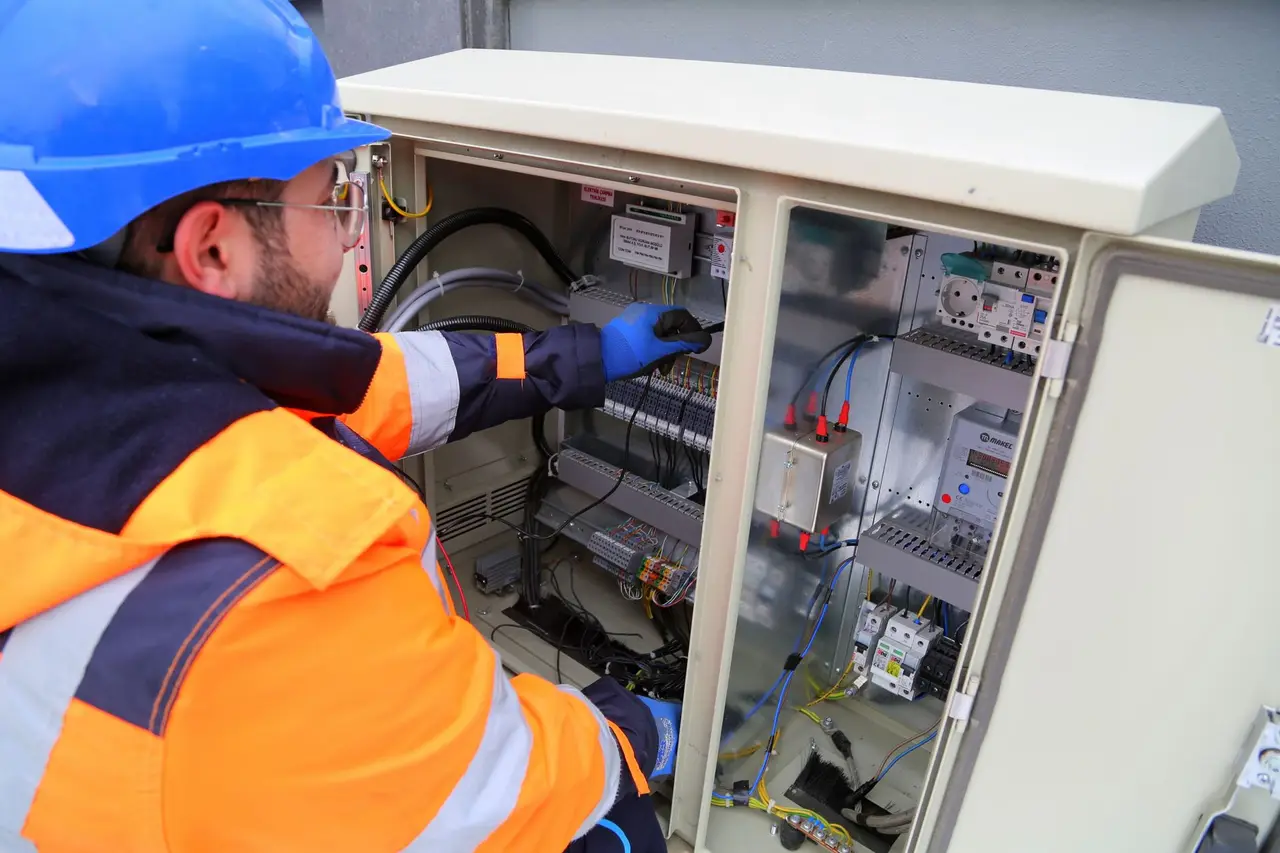
Every electric furnace call includes a full diagnostic, a written price before work starts, and a load test after the repair. Parts are billed at cost plus a standard markup, and we only replace what failed. Here is what is inside a standard visit.
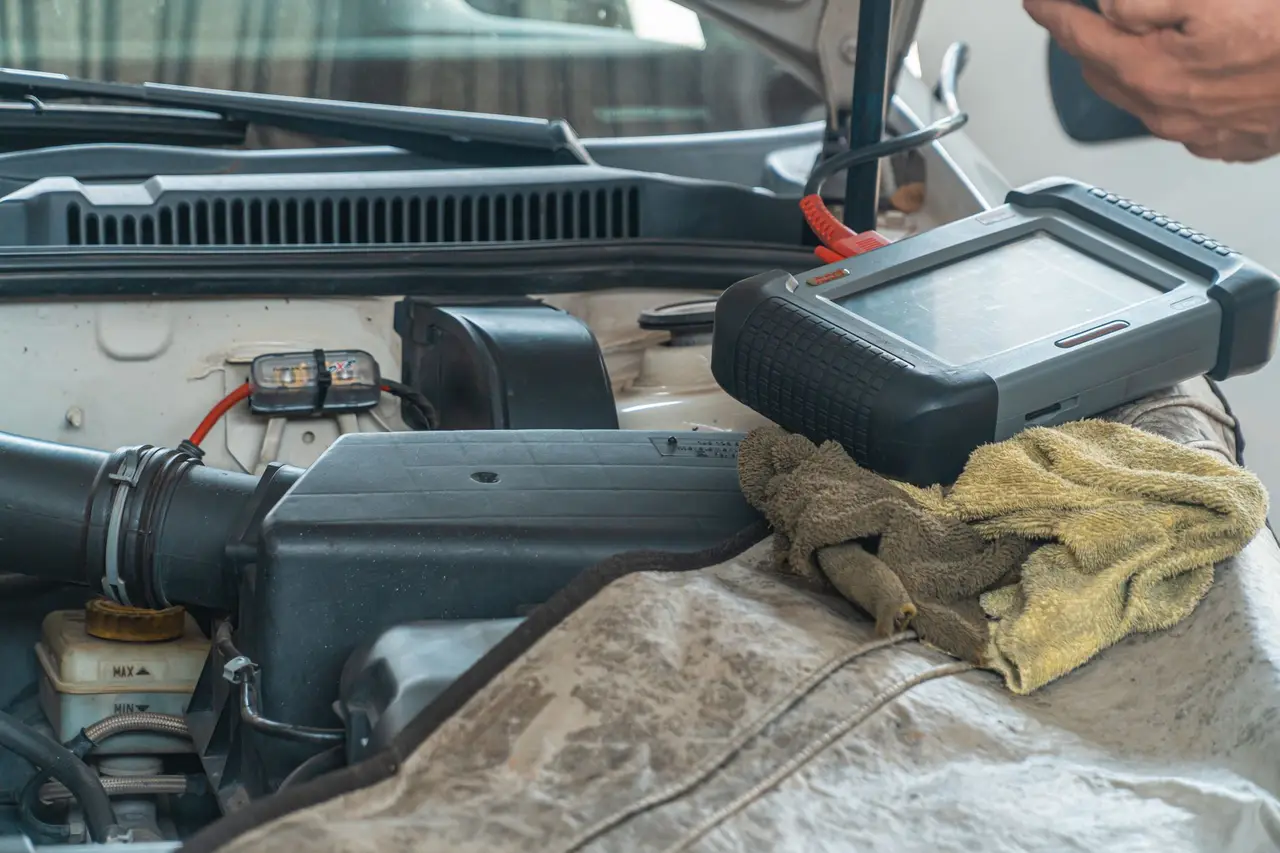
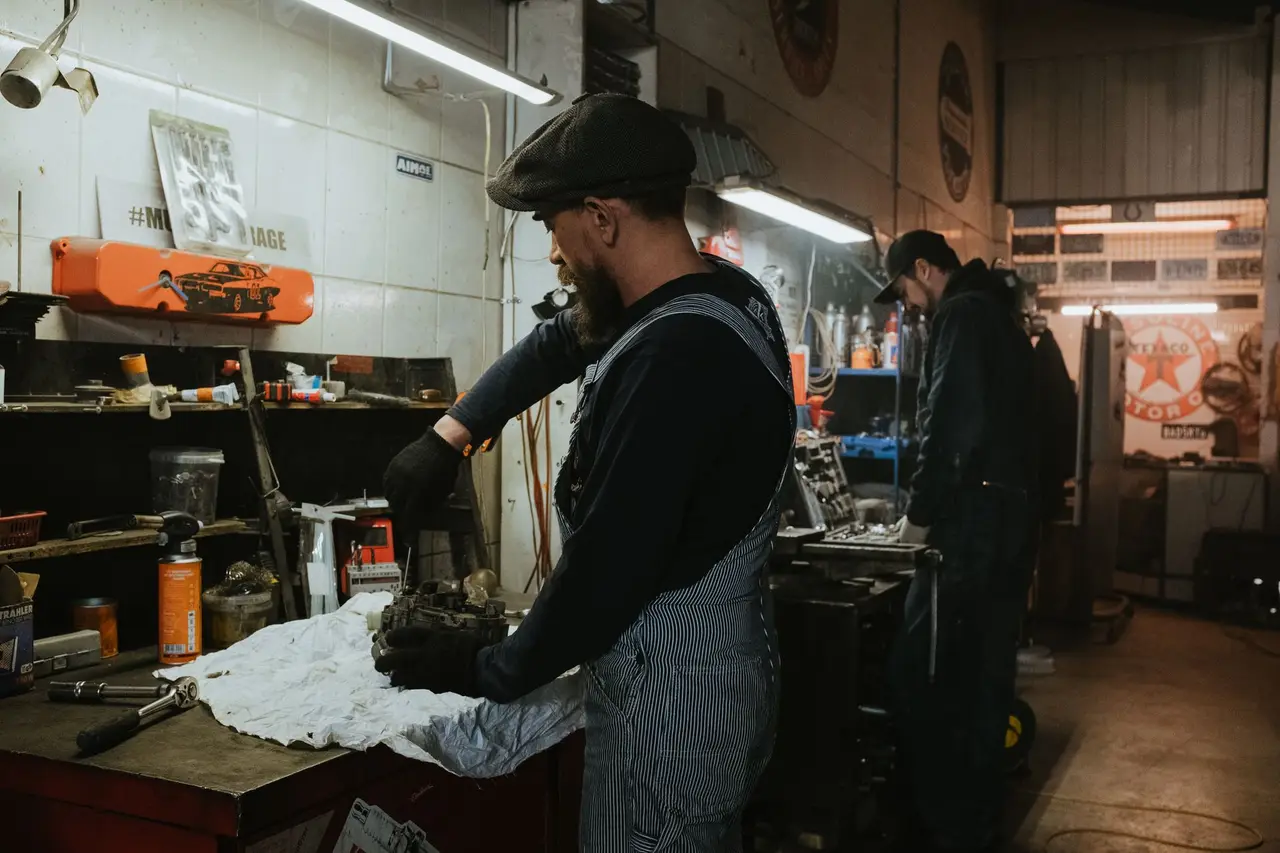
We repair electric furnaces in houses, condos and townhomes across skokie. You get a diagnosis, a price, and a load test before we leave.
We service electric heating in commercial and mixed-use buildings around skokie. Work is scheduled around your hours so tenants stay comfortable.
Electric Furnace Repair in skokie is the diagnostic and repair work that restores heat to a home or building running an electric forced-air furnace, including element, blower, sequencer, limit switch and control board faults. Unlike gas units, there is no flame to watch, so the failure usually hides in the electrical path. We start with a multimeter and a clamp meter, check voltage at the disconnect, ohm out each heating element, then trace the low-voltage circuit through the thermostat, transformer and board. One open sequencer or a burned terminal block can kill the whole system, and it takes about 45 minutes to isolate.
Skokie homes built between the 1950s and 1970s often still run electric resistance heat in additions, basements and converted attics, and those units fail in predictable ways once the outdoor temperature drops below 20 degrees. We see the same handful of problems over and over: a blower motor that spins but moves no air, a limit switch tripping on a clogged air filter, or a thermostat that reads 62 when the room is 68. If you have been searching electric heater repair near me skokie at 11 p.m. with the house cooling off, that is exactly the call we take.
Test the circuit, replace the failed part, load-test the system, then explain what happened.
No mystery, no waiting around. Here is the sequence from your first call to a warm house, and what you can expect at each step.
We ask what the thermostat shows, whether the blower runs, and if any breaker has tripped. That five-minute conversation tells us whether to bring a specific blower motor or a full electrical kit, and it often saves you the cost of a second visit. You get a two-hour arrival window, not a vague all-day promise.
The tech pulls the furnace door, photographs the wiring before touching anything, then works through the circuit with a multimeter and clamp meter. We check incoming voltage, element resistance, sequencer timing and thermostat call. Diagnosis takes 30 to 45 minutes and you get the findings in plain language, not a parts list read off a screen.
You see the repair price before any work starts. If the fix is a $180 limit switch, we say so. If the heat exchanger or control board is gone and a replacement makes more sense, we show you both numbers side by side and let you decide. No pressure either way.
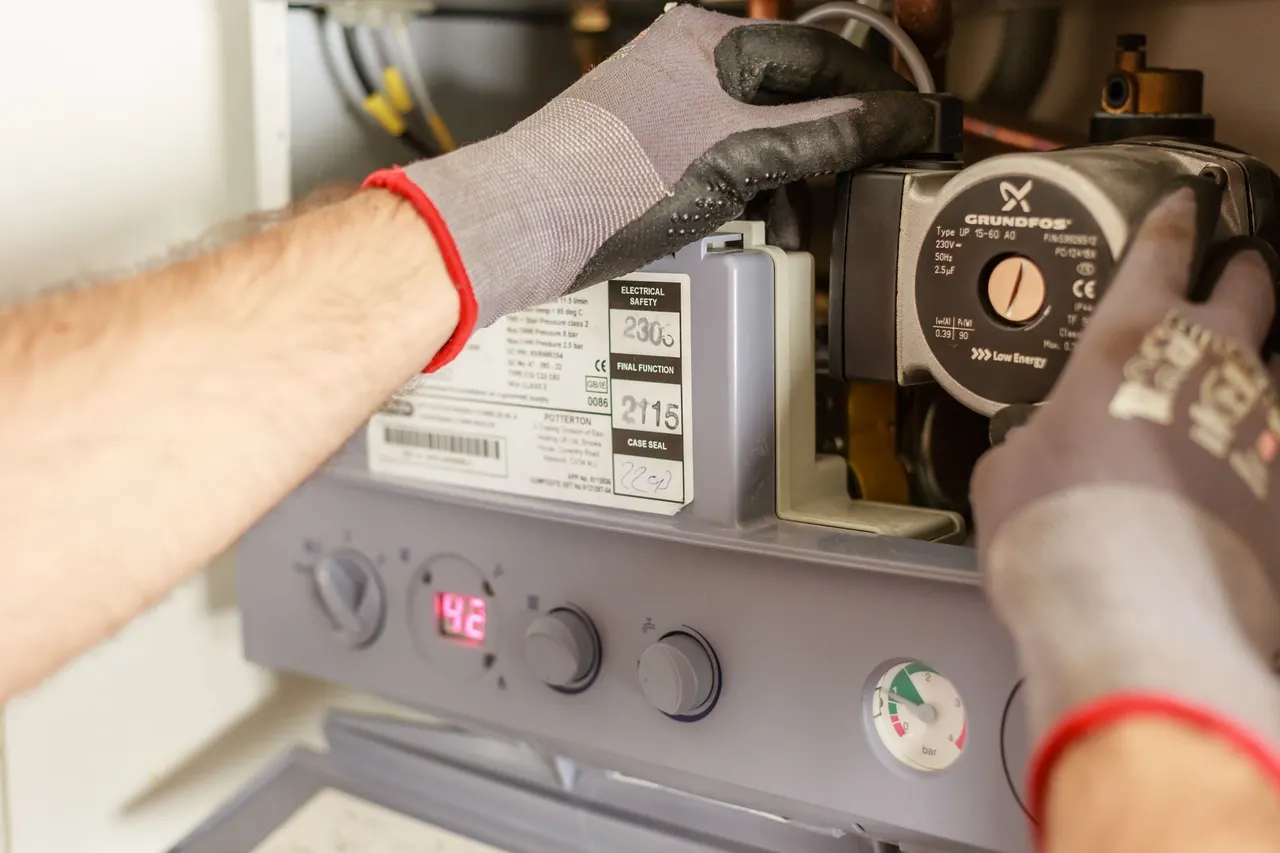
We install the part, torque terminals to spec, and run the furnace through at least two full heat cycles. Amp draw is measured on every element, the blower motor is checked at each speed tap, and the temperature rise is verified against the data plate. Typical repair time is 60 to 90 minutes once parts are on site.
Before we pack up, we show you what failed and why, and we check the air filter. A clogged filter is the number one cause of limit switch trips on electric furnaces, and it is a two-minute fix you can handle yourself. We leave the mechanical closet cleaner than we found it.
Used to check voltage at the disconnect, ohm out heating elements, and measure amp draw under load. This is how we confirm a part failed instead of guessing from a symptom.
Verifies pilot and ignition safety circuits on gas equipment we service alongside electric furnaces. Confirms the safety circuit holds before the burner stays lit.
Used on heat pump and hybrid systems for refrigerant-side checks. Confirms charge and pressure before we diagnose a compressor or reversing valve issue.
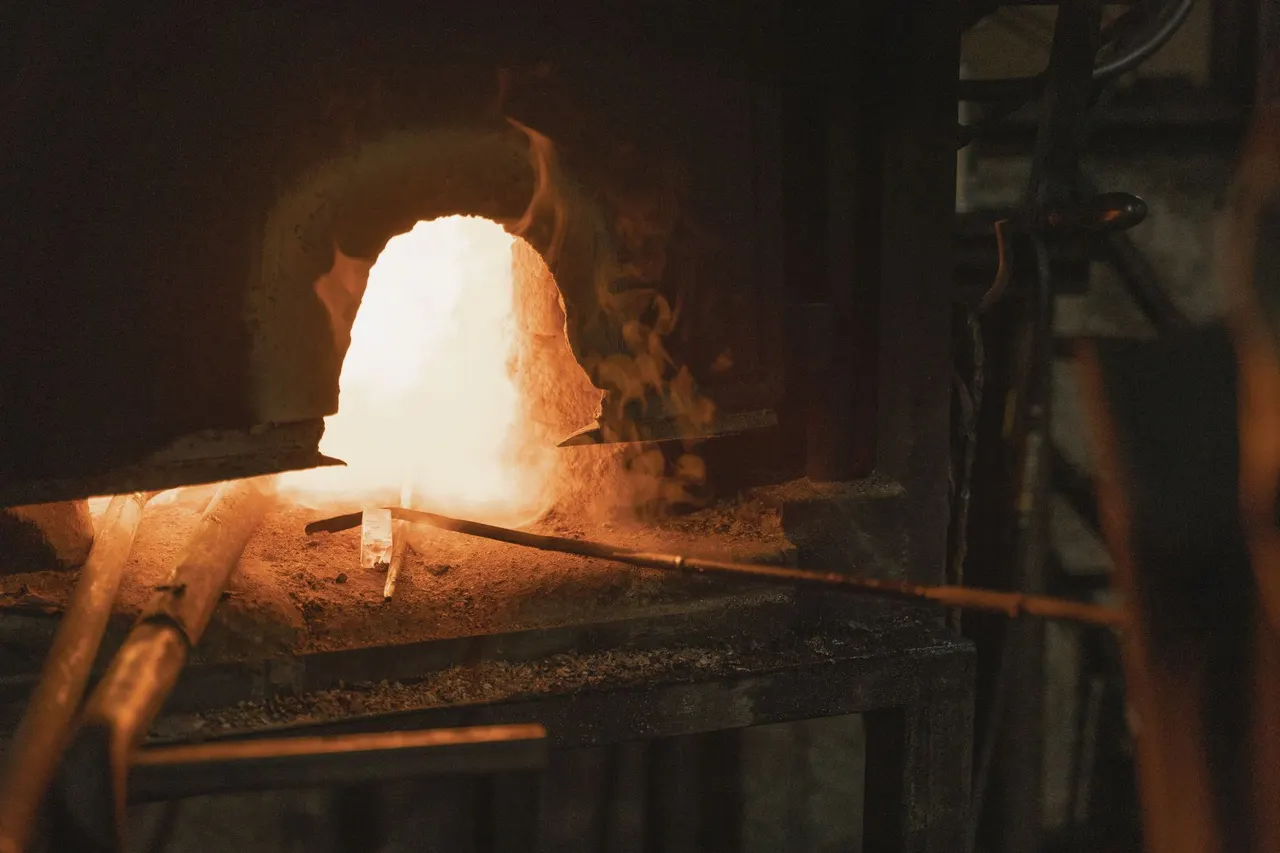
Lets us look inside the heat exchanger and cabinet without pulling the whole assembly. We document what we find with photos on the ticket.
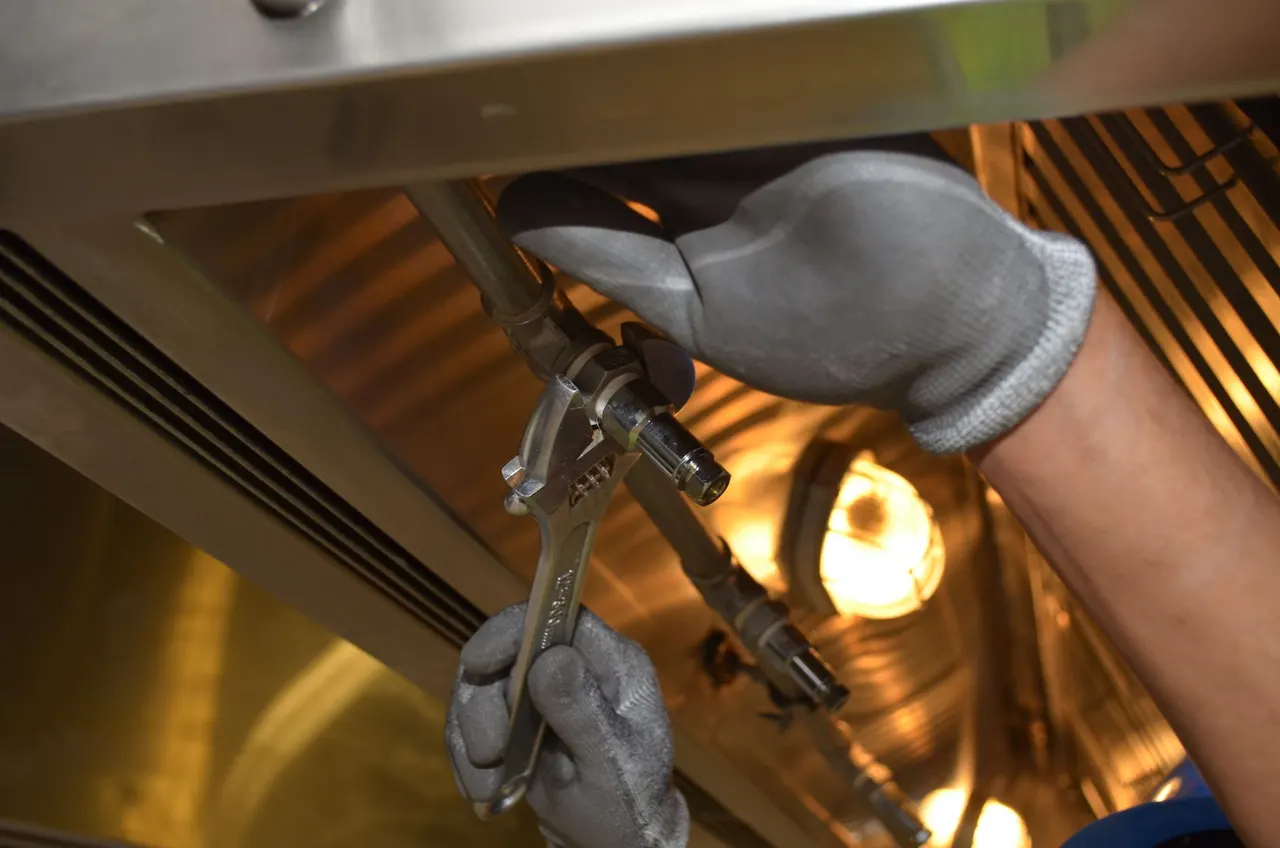
Calibrated CO testing at the supply plenum and throughout the home. Standard on every gas furnace visit and any electric system sharing space with gas equipment.
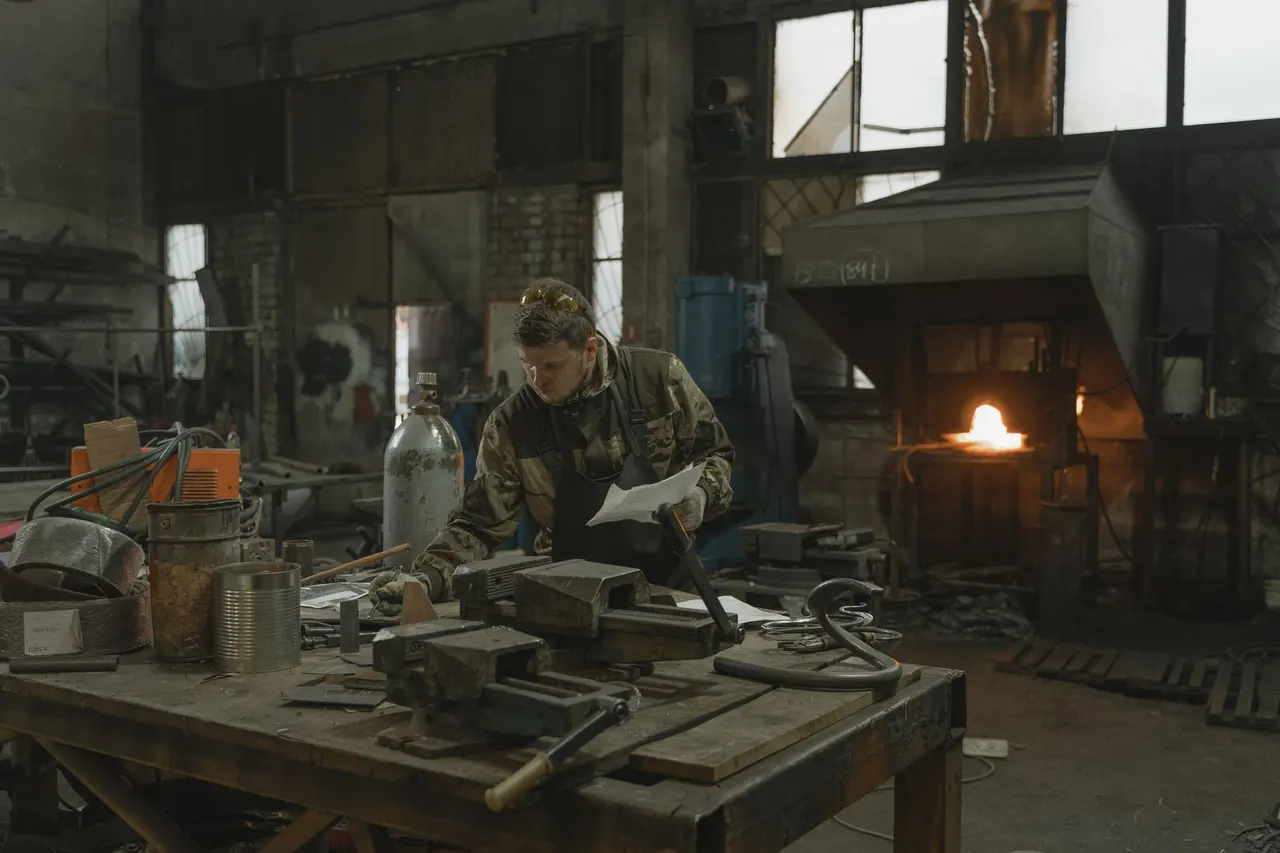
Measures airflow at registers to confirm the blower is moving the rated CFM. Catches duct restrictions that a simple temperature check would miss.
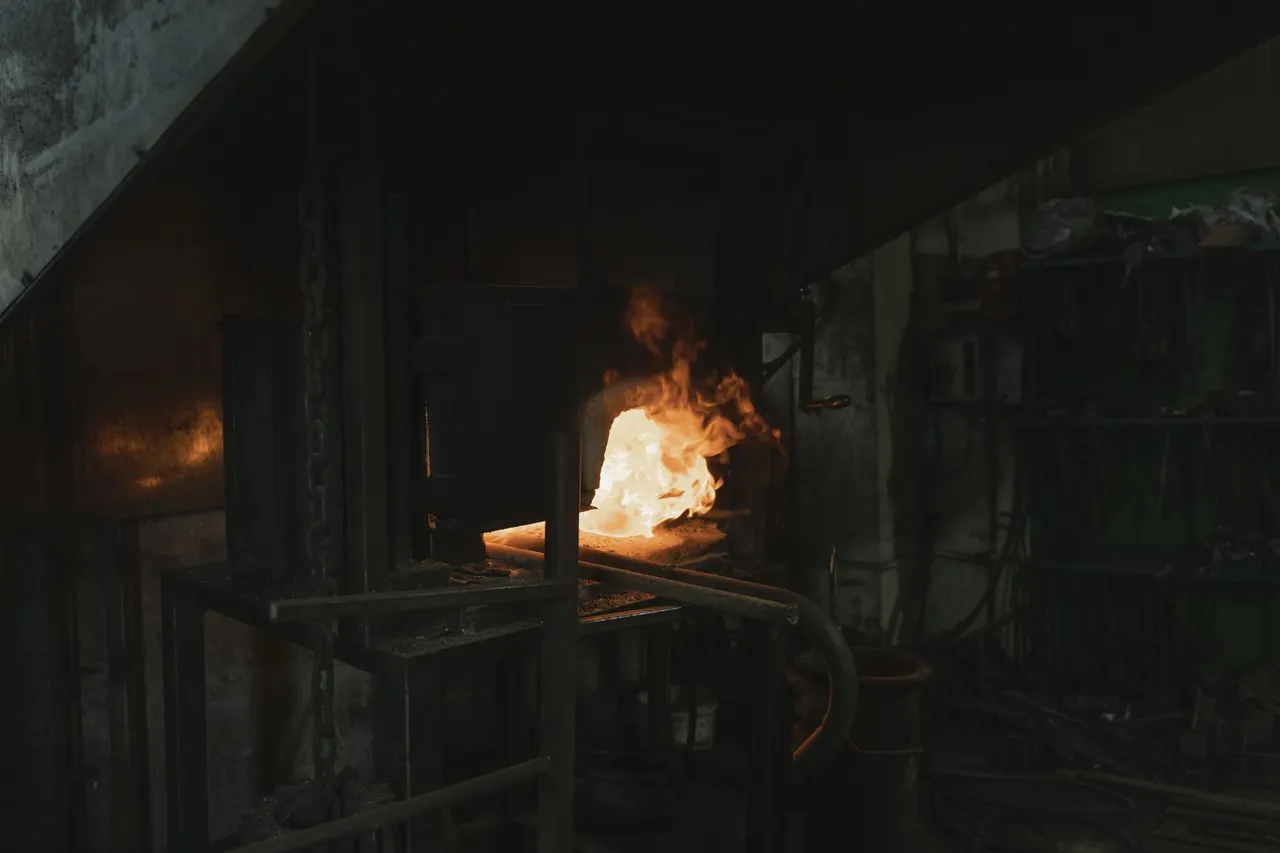
Standard hand tools for panel removal, terminal work and gas line connections. Torqued to spec so terminals do not loosen and arc over time.
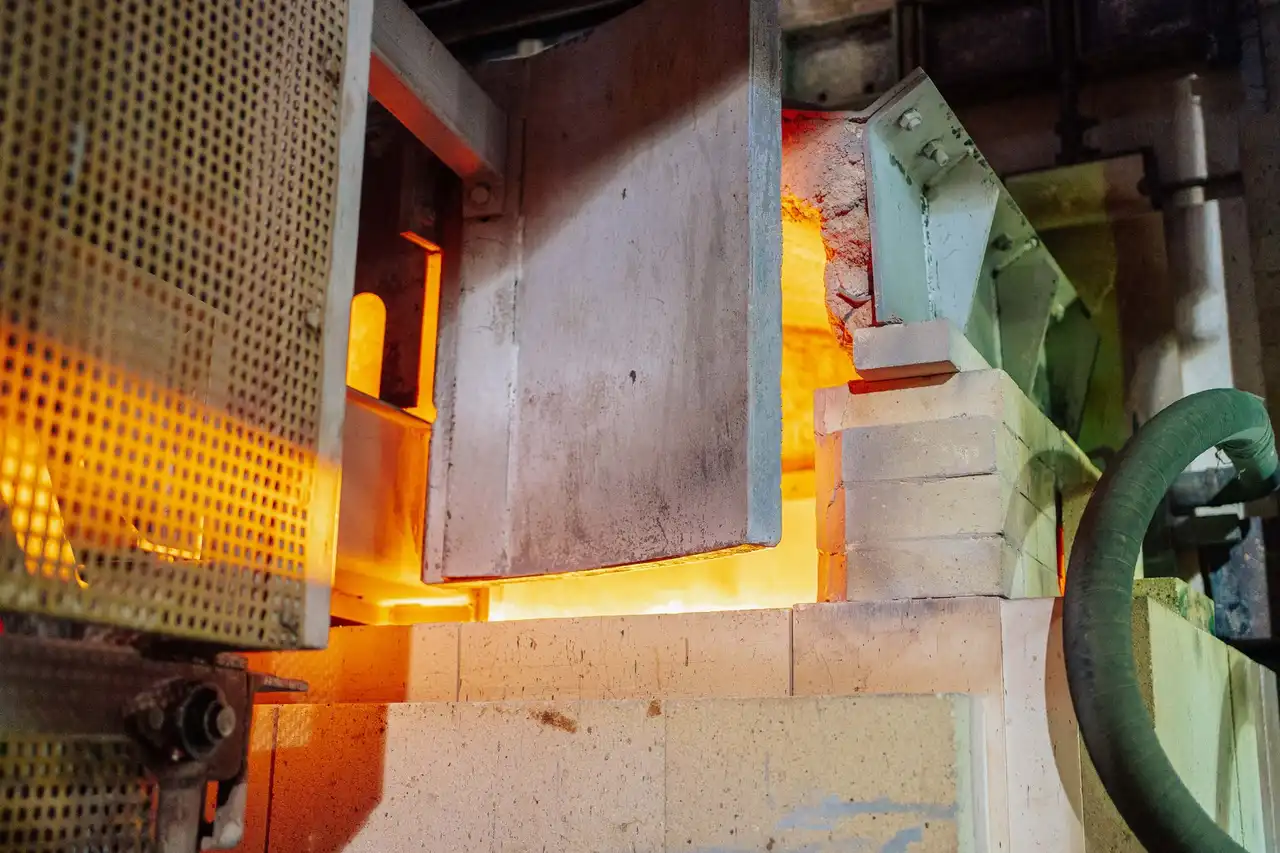
We test every circuit under actual load, not just at rest. A heating element that reads fine on the ohm meter can fail the moment it heats up, and amp draw under load is the only way to catch it before it strands you again.
We arrived the same morning, found a failed heating element and a sequencer that had burned a terminal, replaced both from the van stock, and load-tested the system through two full cycles. Heat restored in under three hours, and the homeowner had a written price before we started. No second visit, no parts wait.
We clamped the circuit under load, found the amp draw above the breaker rating because of a failing element, replaced the element, and verified the circuit pulled within spec. The breaker stopped tripping, and the attic held temperature through the rest of the winter without a single call back.
The new thermostat was fine. We traced the fault to a dead control board, replaced it with a matching part, and checked the low-voltage wiring for any damage from the original failure. Heat back the same afternoon, and the owner avoided a second thermostat purchase. Total repair came in under $600.
We measured static pressure, found a collapsed section of flex duct restricting airflow, repaired the duct and reset the switch. The furnace has run clean since. No more mid-day shutdowns, and the property manager scheduled a fall tune-up on both units to keep it that way.
Skokie sits in Cook County with a housing stock that ranges from 1920s bungalows near Niles Center to 1970s ranches and newer condo buildings around Old Orchard. Electric resistance heat shows up most often in additions, basements and converted attics, and those spaces are the first to lose heat when the outdoor temperature drops into the teens. Our winters swing hard, with freeze-thaw cycles that stress every mechanical system in the house, and the village follows standard Illinois HVAC code on permits and inspections. That matters when a repair crosses into replacement. We pull the permit, schedule the inspection and handle the paperwork. If you are searching for electric furnace repair in skokie IL near me on a cold morning, we are likely already working a few blocks away, and our vans carry the parts to close most jobs in one visit.
The furnace ran but blew cold air. The homeowner had already replaced the thermostat with no change, and the house had been at 60 degrees for two days in January. The sequencer had burned a terminal and stopped sending power to the elements.
We replaced the sequencer and the damaged terminal block, then load-tested each element. Amp draw came back within spec on all three, and the house was back to 70 degrees within four hours of the call.
Change the air filter every 60 to 90 days during heating season and have the sequencer checked at the fall tune-up. A clean filter keeps the limit switch from cycling and extends sequencer life.
The blower motor seized overnight, so the furnace had heat but no way to move it. The house dropped to 54 degrees by morning, and the homeowner was worried about pipes in the basement. The motor was original to the 1978 furnace.
We installed a matching blower motor, checked every speed tap, and verified temperature rise against the data plate. The system ran two full cycles clean, and the basement stayed above 65 for the rest of the winter.
Keep the blower wheel clean and replace the filter on schedule. A clogged filter forces the motor to work harder and shortens its life, especially on older units.
The thermostat called for heat but nothing happened. The owner had already paid for a new thermostat that did not fix it. The control board had a burned relay and was not sending power to the blower or elements.
We replaced the control board with a matching part, verified the low-voltage wiring, and tested the full heat cycle. Heat was back the same afternoon, and the total repair came in under $600, less than a second thermostat would have cost.
Have the board and low-voltage wiring checked at the annual tune-up. Surges from the building's shared electrical system can shorten board life, so a surge protector on the furnace circuit helps.
Electric heat fails in a handful of predictable ways, and most of them show up on the first cold week of the year. Here is what we see most often and what it takes to fix it.
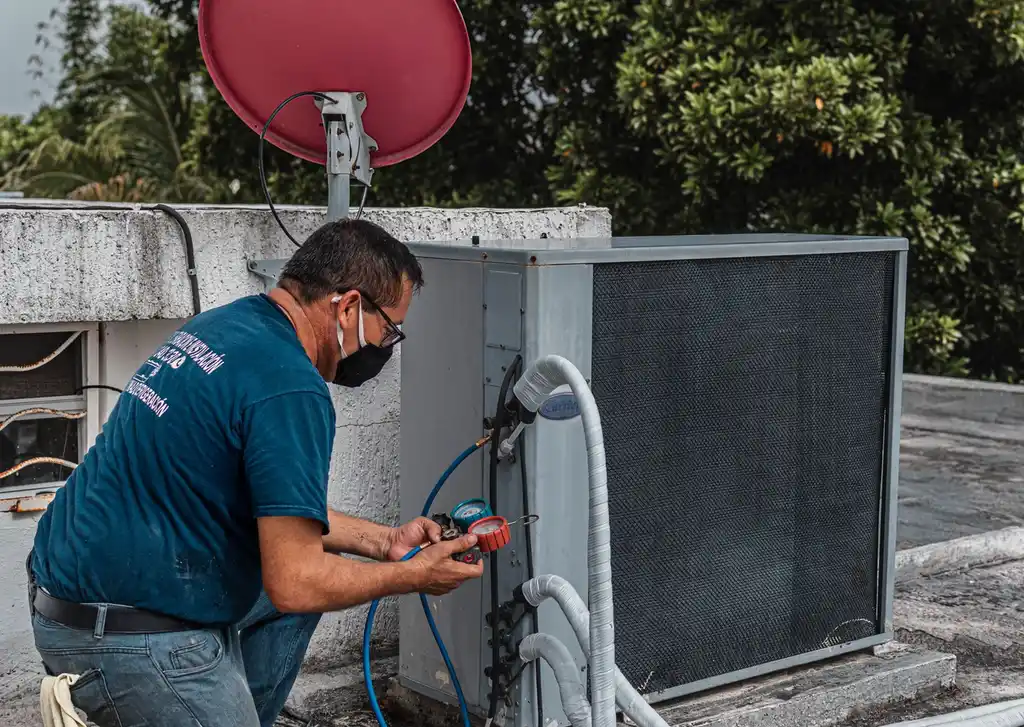
We test voltage at the element terminals and trace the call back through the sequencer and board. A sequencer swap runs $220 to $380 installed, and we verify amp draw on each element before we leave. The blower runs but the elements never energize, so the house cools while you burn electricity. Left alone, a failed sequencer can stress the control board and turn a cheap fix into an expensive one.
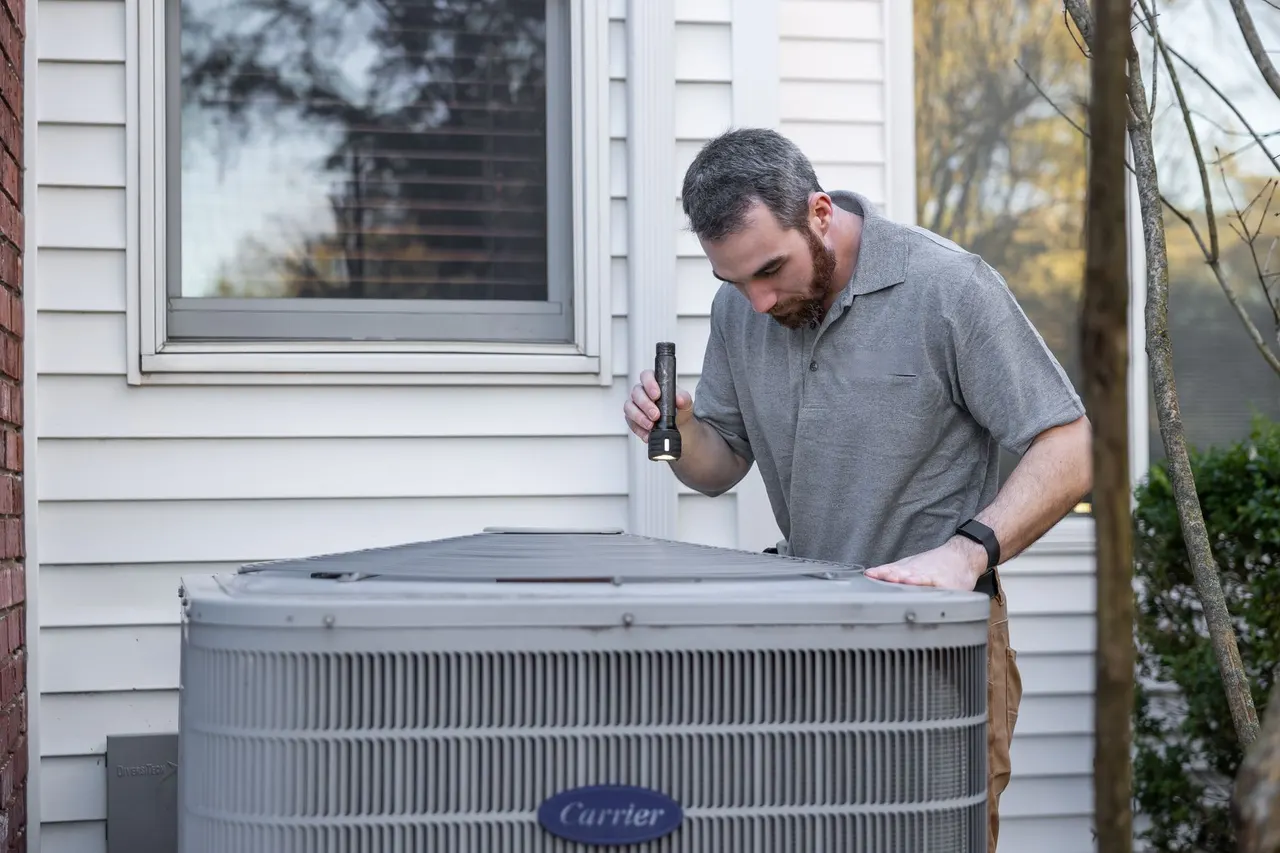
We check the filter, measure static pressure, and test the blower motor at every speed tap. Fixing the airflow problem, not just resetting the switch, is what stops the cycle from coming back next week. The furnace runs for a few minutes, then cuts out and restarts. That cycling wears the elements and the board, and it usually points to restricted airflow from a clogged air filter or a failing blower motor.
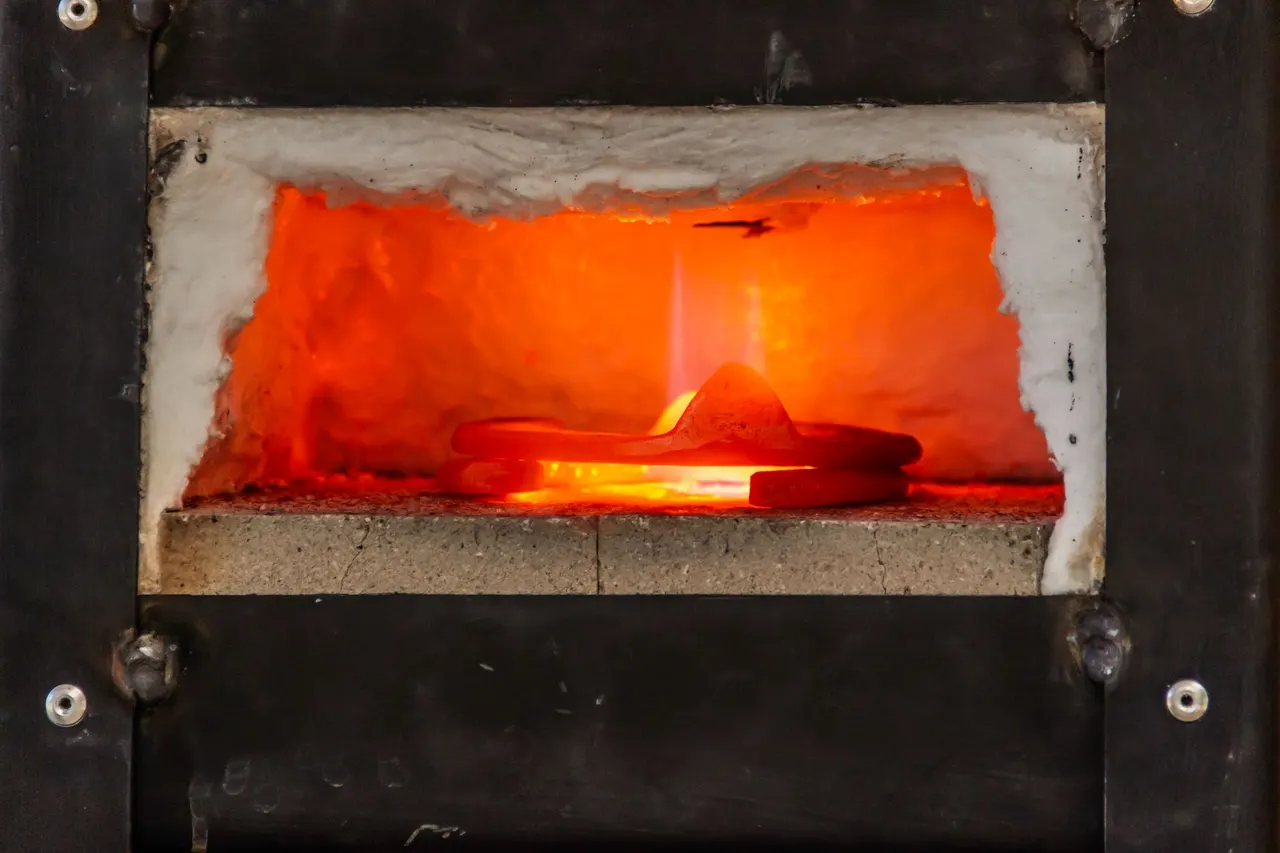
We confirm the motor is dead with a meter, then replace it with a matching unit. Most blower motor jobs run $450 to $850 installed and take two to three hours, including the load test and airflow check. No airflow means no heat delivery, even with good elements. In a skokie January, a house can drop below 55 degrees overnight, which risks frozen pipes in the basement and along exterior walls.
We verify the low-voltage call at the control board, then test or replace the thermostat. Honeywell and Nest units are common swaps, and we confirm the full heat cycle works before we leave. A thermostat reading the wrong temperature will short-cycle the furnace or never call for heat at all. It looks like a furnace failure but the fix is often a $180 to $320 thermostat replacement.
Most electric furnace repairs in skokie IL are finished in one visit, usually two to four hours from arrival. Our vans carry sequencers, limit switches, capacitors and common blower motors for Carrier, Trane, Rheem and Goodman units, so we are not making a parts run while your house drops below 60 degrees.
You get the diagnosis and the price before we start. A single element swap runs far less than a control board replacement, and we tell you which one you actually need. No surprise line items, no upsell on a part that tested fine on the multimeter.
We test under load, not just at the terminals. After the fix we run the furnace through a full heat cycle, check amp draw on each element, verify the blower motor ramp and confirm the limit switch resets clean. If it trips again next week, that is on us.
Eleven years working skokie and Cook County means we have seen the wiring in a 1958 ranch off Oakton and the retrofit electric heat in an Old Orchard condo. That history cuts diagnostic time, and it means fewer wrong guesses about what is actually in your mechanical closet.
Clear records you can keep and share.
Quoted before any repair work starts
Every element checked under real load
Sized and rated for your cabinet
Electric furnaces fail in the electrical path, not at a flame. Knowing where the common failures happen helps you describe the problem clearly when you call.
A clogged filter causes most limit switch trips. The furnace shuts down to protect itself, then restarts and repeats the cycle.
A heating element can read fine on an ohm meter and still fail when it heats up. Amp draw under load is the only reliable test.
The sequencer stages power to each element in order. When it fails, the blower runs but the elements never energize, so you get cold air.
Outside these areas? Call and ask, we may still reach you. 847 238 8439
Most electric furnace repairs in skokie run $180 to $650 in 2026, with the average job landing near $320. A limit switch or sequencer swap sits at the low end, while a blower motor or control board replacement pushes toward the top. Emergency and after-hours calls add a dispatch fee. We quote the exact number before we start work.
The three most common causes are a tripped limit switch from a clogged air filter, a failed heating element, and a bad sequencer that never sends power to the elements. A thermostat malfunction or a tripped breaker at the panel will also kill heat. Our tech isolates the fault with a multimeter in about 45 minutes and fixes it the same visit.
Not compared to replacement. A typical repair runs $180 to $650, while a new electric furnace installed runs several thousand. Repairs also keep you running through the current heating season without a permit or a wait for equipment. We only recommend replacement when the heat exchanger, board and blower are all failing at once.
You can safely replace the air filter and reset a tripped breaker or limit switch. Anything past that involves 240-volt circuits and live terminals, and a mistake there is a fire risk. Element, sequencer and control board work needs a meter, the right part number and a load test afterward. That is the part you want a tech to handle.
One call gets a tech on the way with the parts to fix most electric furnaces the same day. We have been doing this in skokie since 2015, and we quote the repair before we start. Call 847 238 8439 now.
Reach us at 847 238 8439 for furnace repair, maintenance or a safety inspection anywhere in Skokie. We answer calls during business hours and run emergency no-heat service around the clock. Tell us what the furnace is doing and your neighborhood, and we will set a window that works.