Written scope
Failed part identified and repair quoted in writing
When your furnace quits on a 15-degree skokie night, you need Residential Furnace Repair in skokie that answers the phone and shows up. We diagnose no-heat calls, furnace blowing cold air, and ignition failures across Cook County with NATE-certified techs and a truck stocked for Carrier, Trane, Lennox, and Rheem systems. Most repairs finish the same visit.
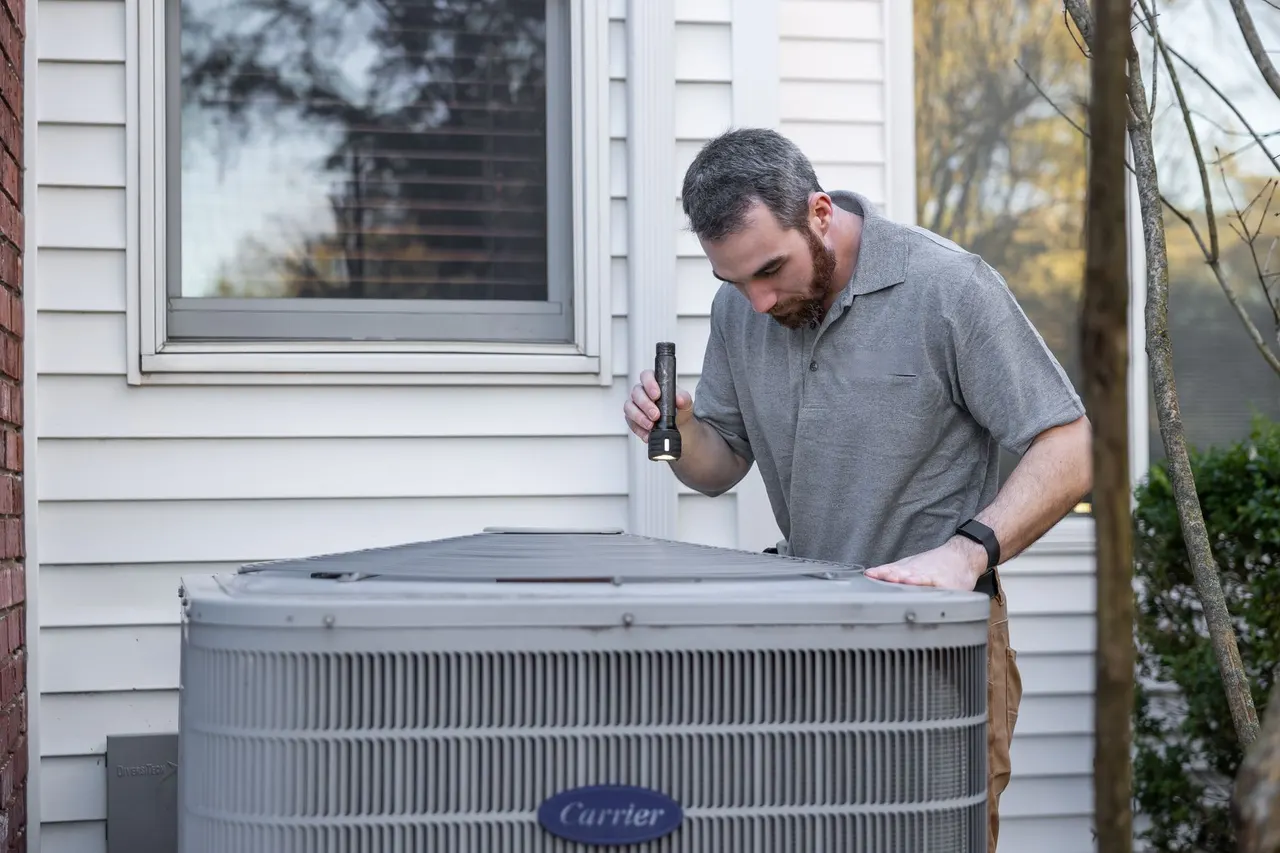
Every residential furnace repair call includes a full diagnostic, a flat-rate quote, the repair itself, and a post-repair combustion test. Parts are billed at the quoted price, and we only recommend what the diagnostic actually shows. If a repair is not worth doing on an aging unit, we tell you that too.
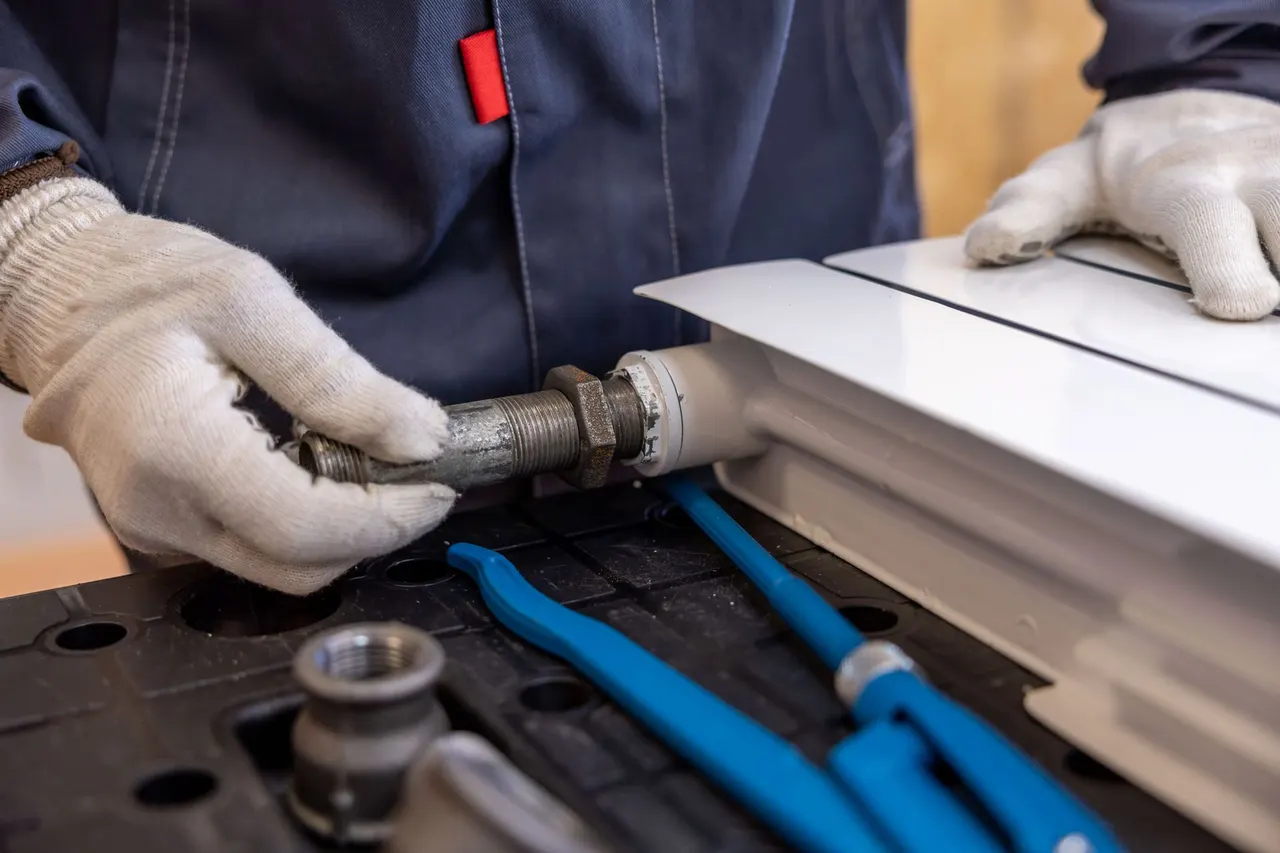
We repair gas and electric furnaces in houses, condos, and townhomes across skokie. Every visit starts with a full diagnostic and ends with a combustion test before we leave.
We also handle furnace repair for small commercial and multi-unit properties in skokie. Property managers get a written scope and a flat-rate quote before work begins.
Residential Furnace Repair in skokie is the diagnostic and mechanical work that restores heat to a home furnace, from tracing an ignition failure to replacing a failed blower motor or control board. A proper call starts with a combustion analyzer and multimeter reading at the unit, not a guess from the thermostat. We test the flame sensor, gas valve, inducer motor, and capacitor, then confirm airflow with an anemometer before we call the job done.
Homes across Cook County take a beating from lake-effect cold and long heating seasons. Furnaces in older Niles Center and Devonshire houses often run 15 to 20 years on original parts, so cracked heat exchangers and dirty flame sensors are common by January. If you search home furnace repair near me skokie on a Sunday night, we treat it like the emergency it is and roll a stocked truck.
We test the furnace, find the failed part, and prove the repair with a combustion reading.
Five steps, from the phone call to the final combustion test. You will know what is happening and what it costs at every stage.
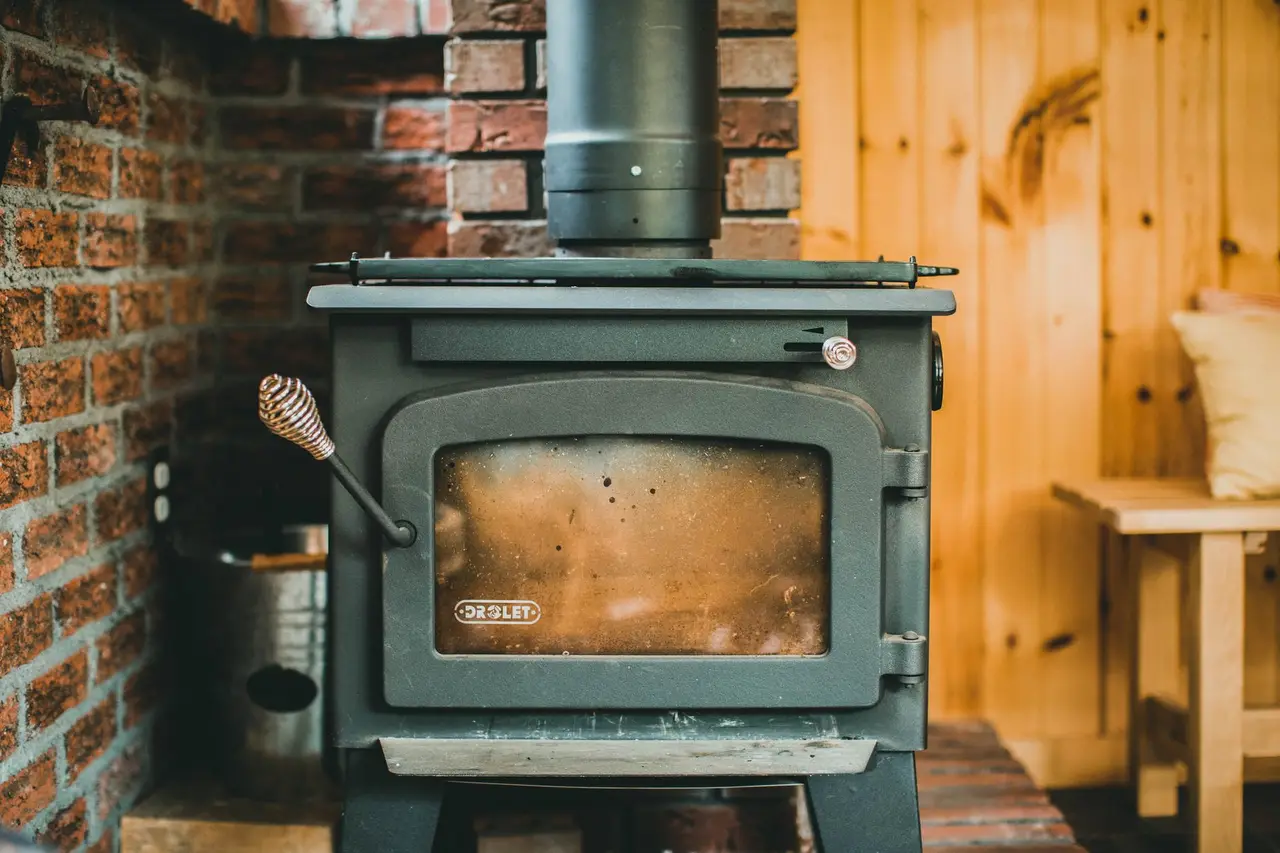
We ask what the furnace is doing, what brand it is, and whether you smell gas or see a fault code. That five-minute call tells us which parts to load and whether this is an emergency residential furnace repair skokie Illinois call or a next-morning appointment.
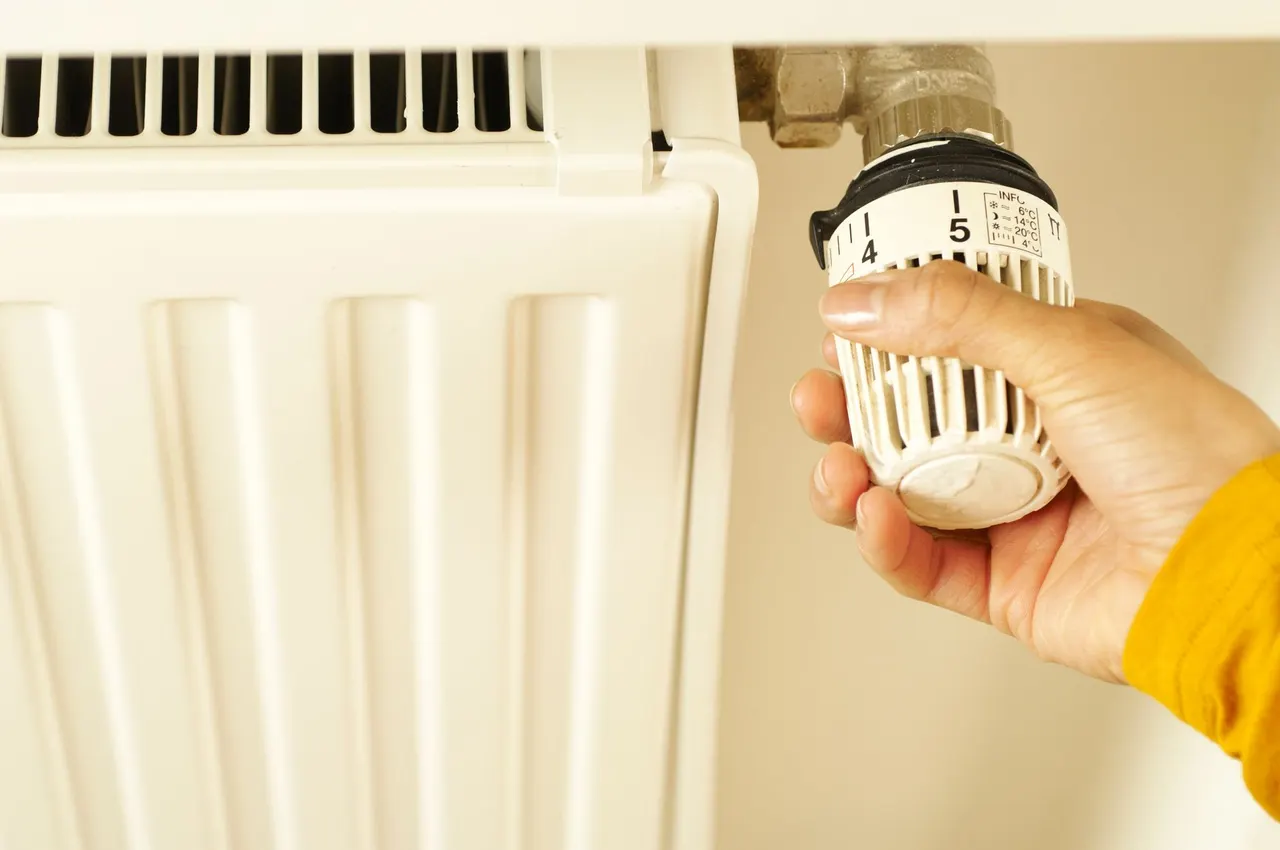
A NATE-certified tech pulls the blower door, reads the control board fault codes, and tests the igniter, flame sensor, and gas valve with a multimeter. Expect 30 to 45 minutes for a full diagnosis, including a combustion analyzer reading at the flue.
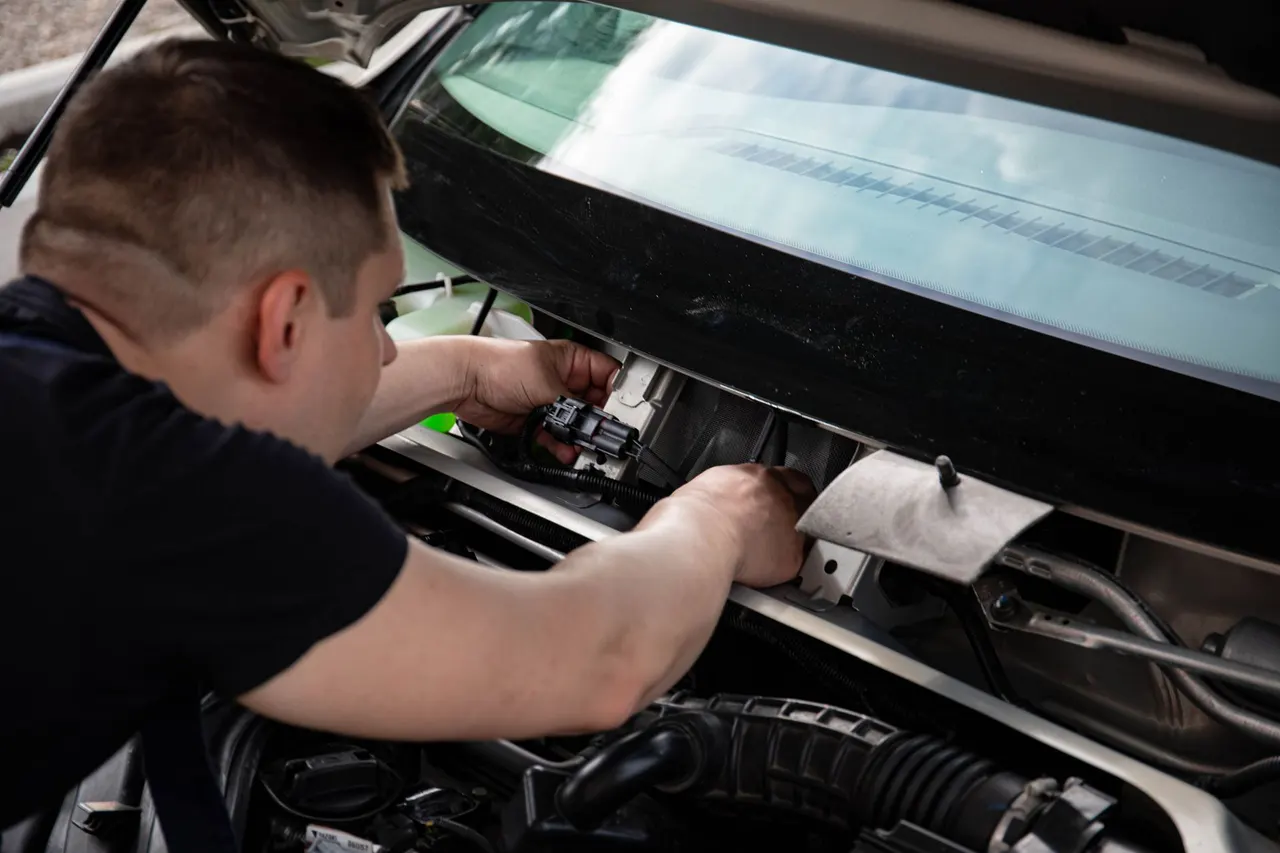
We show you the failed part, explain what it does, and hand you a flat price for the repair. No hourly meter, no surprise add-ons. If a second issue turns up, like a blower motor drawing high amps, you see that price before we touch it.
Most repairs take one to three hours. We replace the part, cycle the furnace through three full heating cycles, and confirm the temperature rise is inside the manufacturer's range. You watch the flame come back on before we pack up.
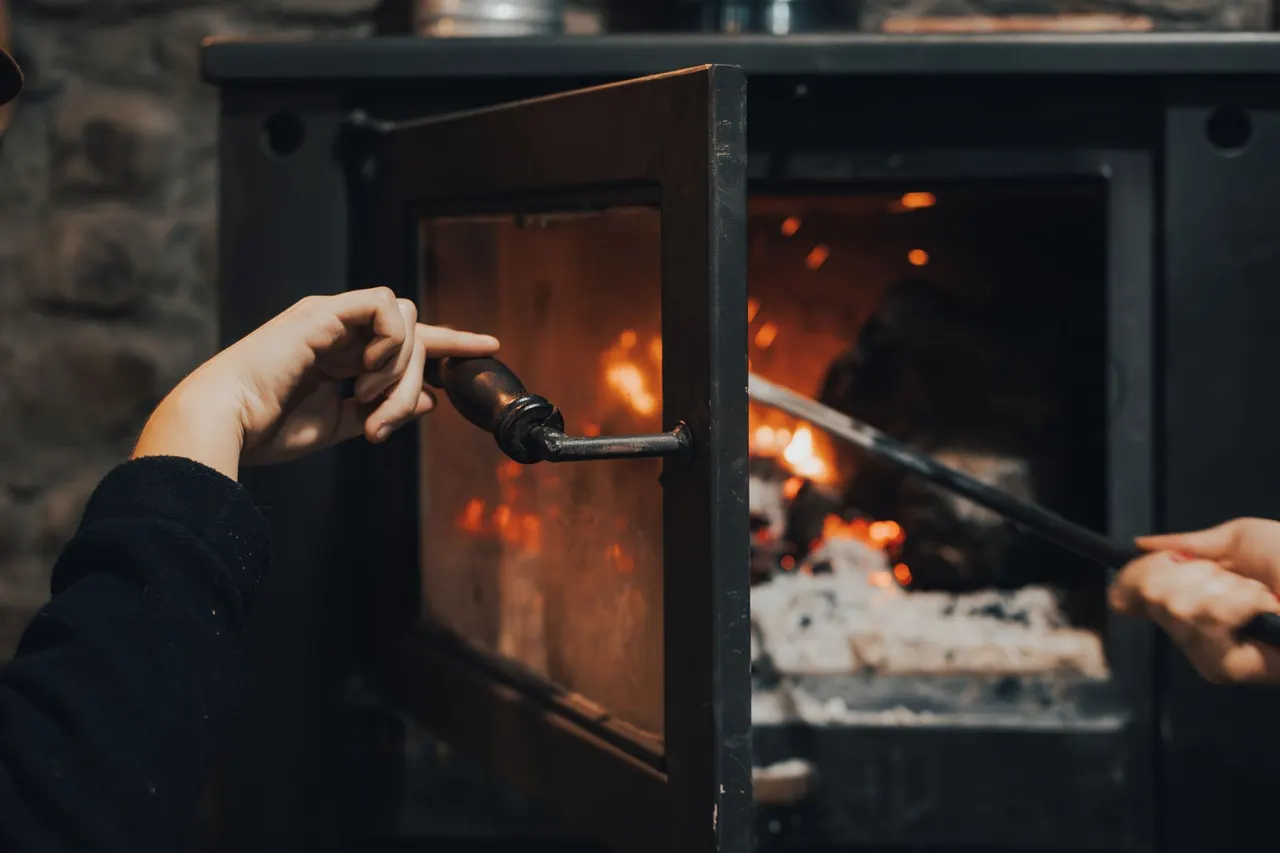
Before we leave, we show you what failed, reset your thermostat schedule, and check the air filter. If the filter is clogged, we swap it on the spot and note the size so you can keep spares on hand for the rest of the winter.
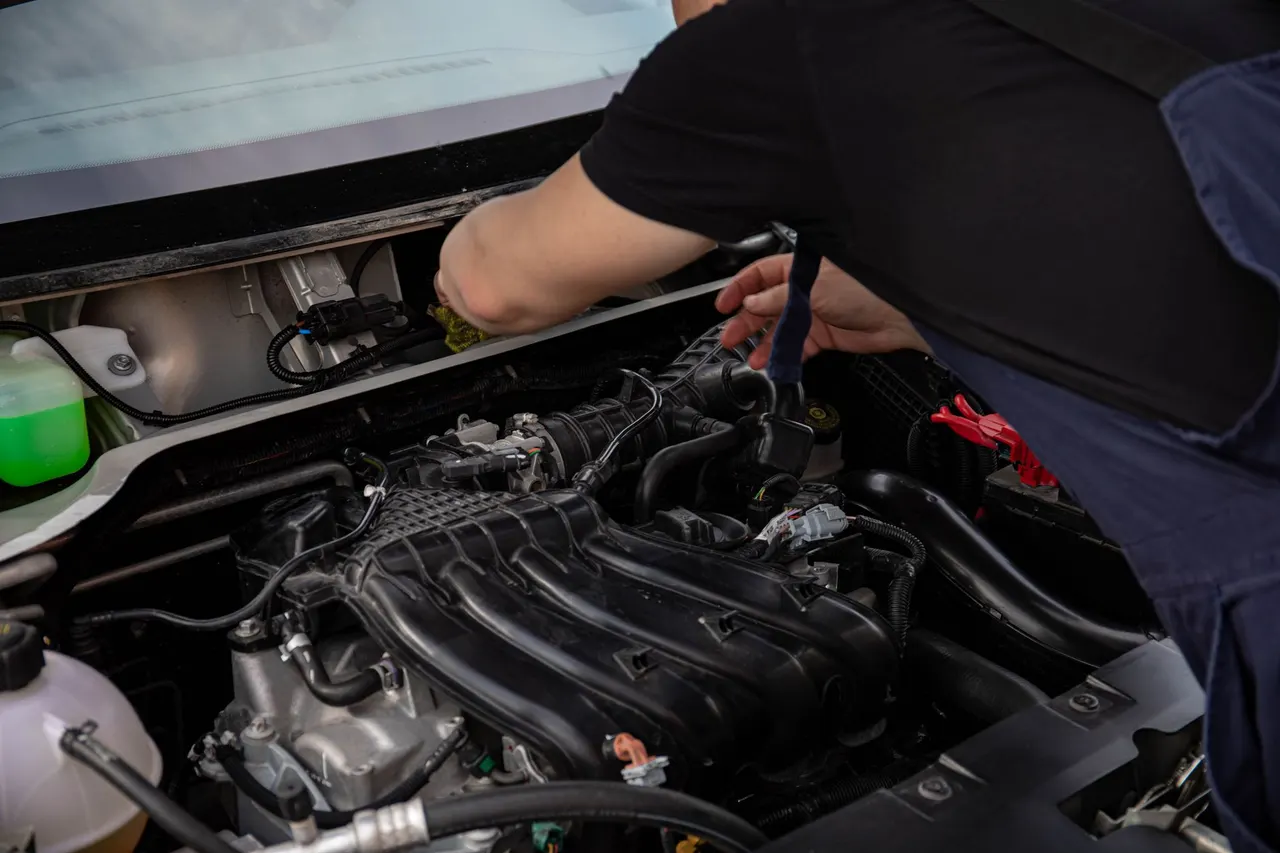
Reads CO, CO2, and oxygen at the flue to confirm the furnace is burning clean and venting properly after every repair.
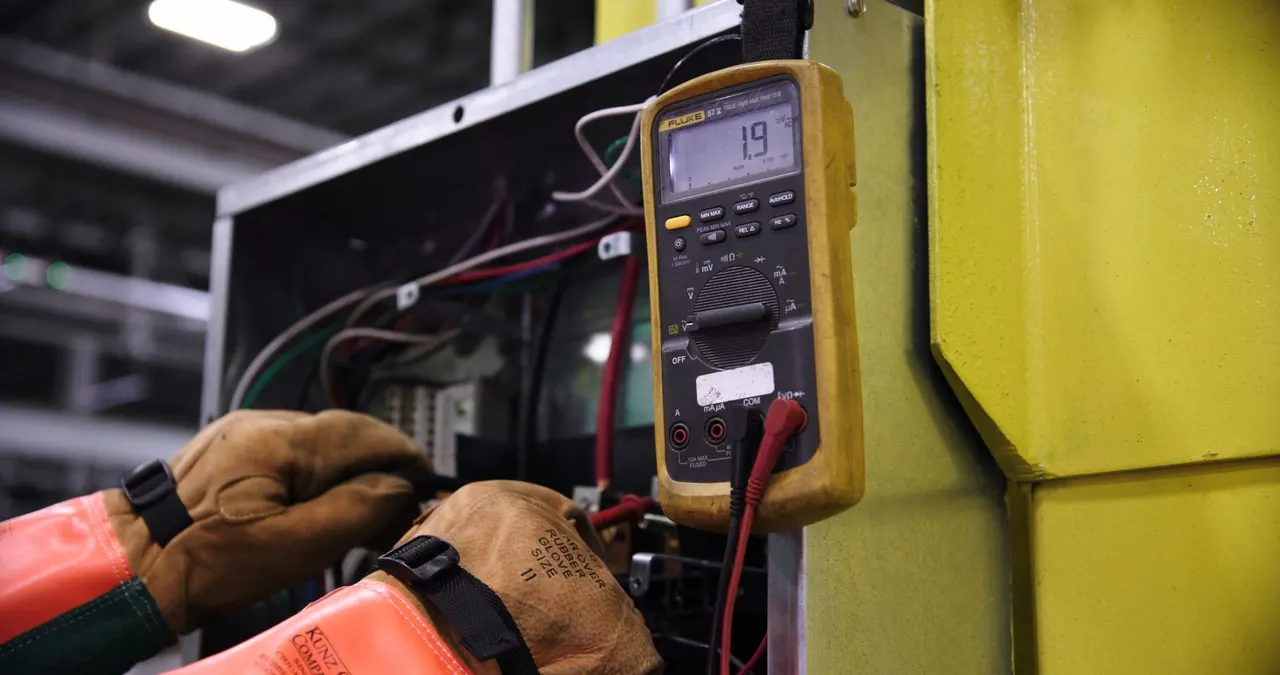
Tests igniters, flame sensors, gas valves, and thermocouples so we replace the part that actually failed instead of guessing.
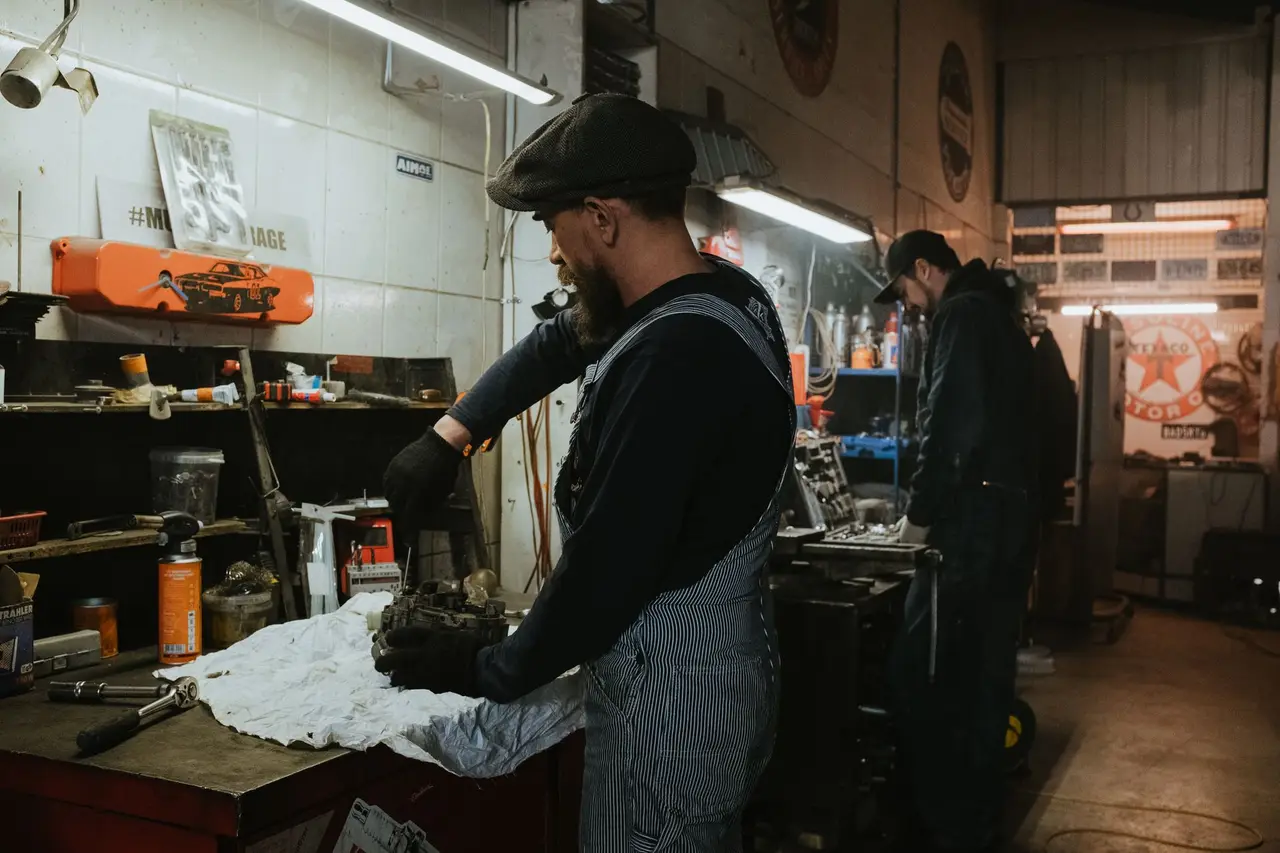
Sets manifold gas pressure to the manufacturer's spec on gas valve repairs and burner cleanings.
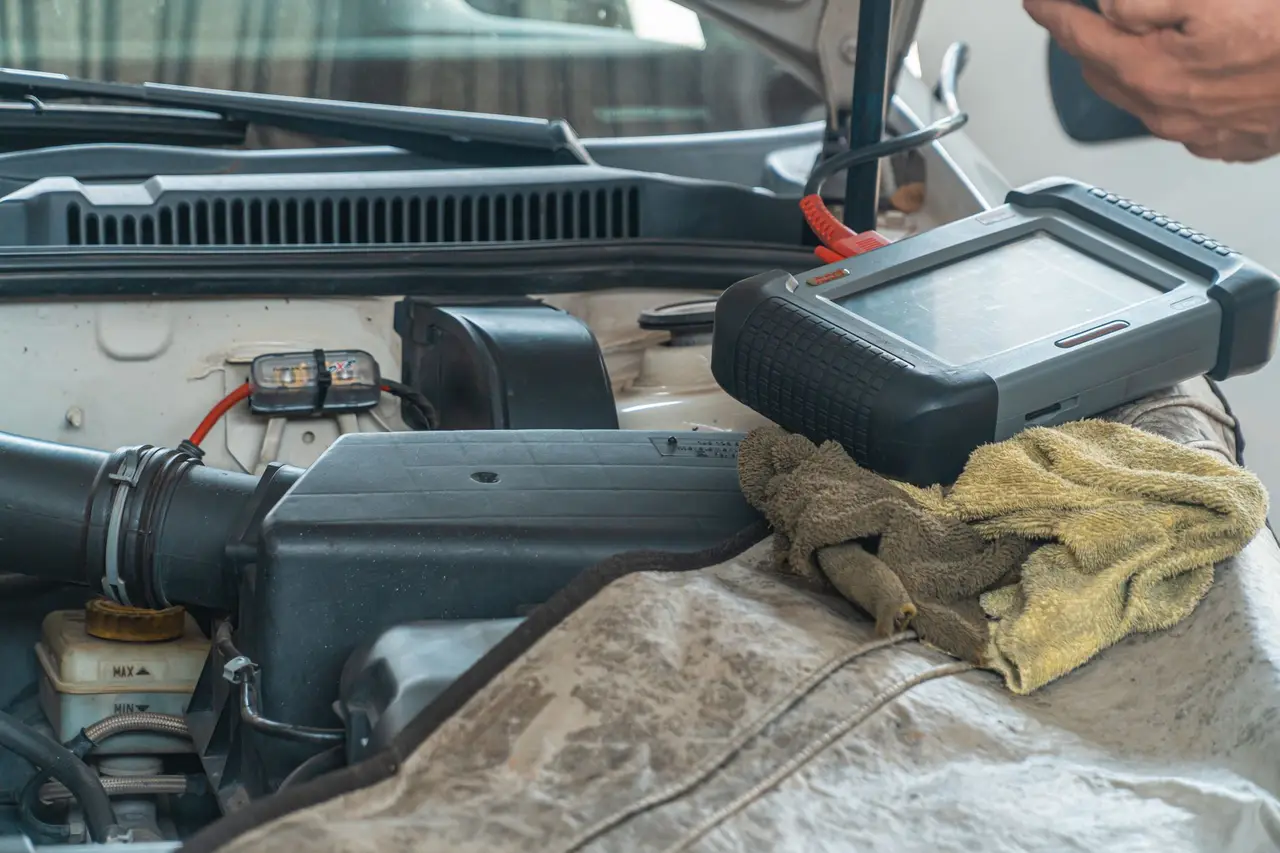
Looks inside the heat exchanger and blower compartment for cracks, rust, and debris that are not visible from the outside.
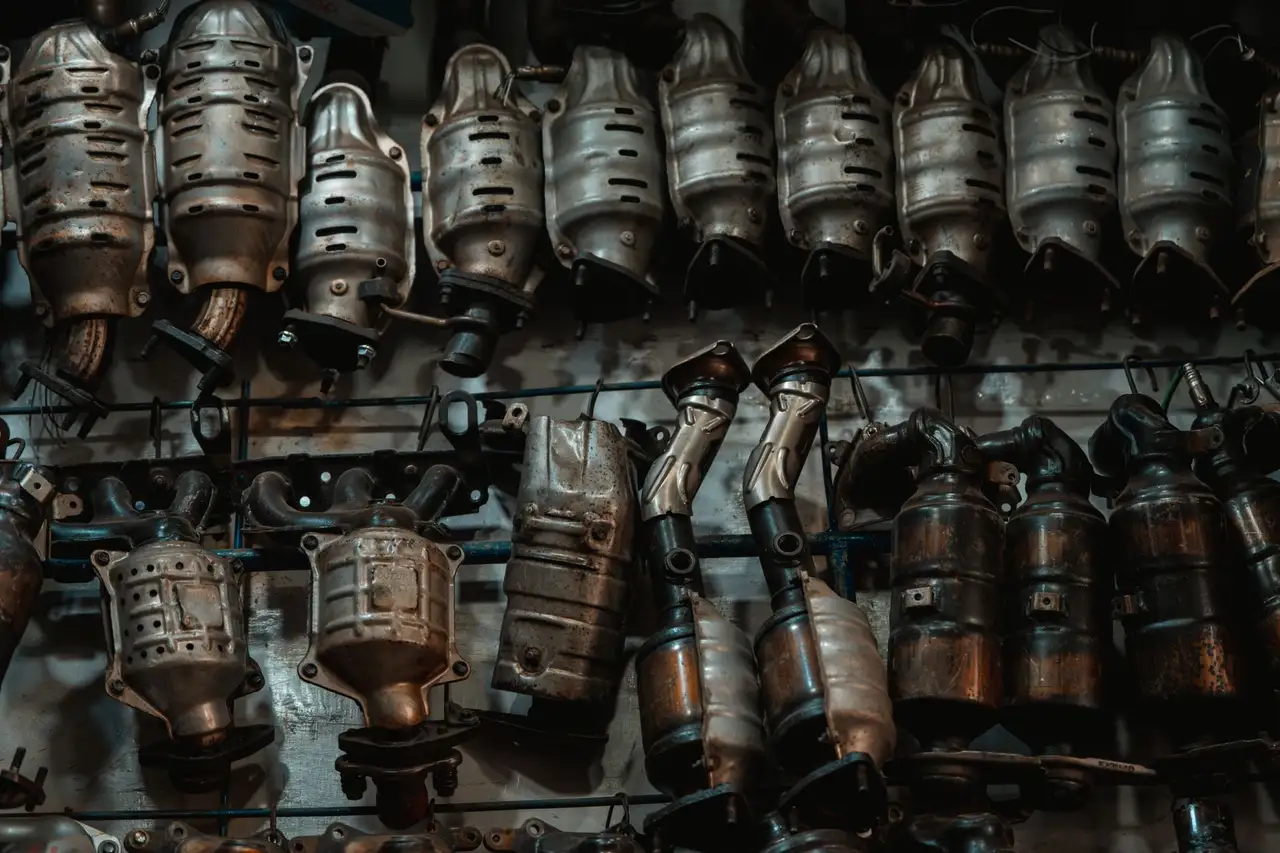
Checks carbon monoxide at the supply registers and measures airflow at the return so we can confirm the blower is moving the right CFM.
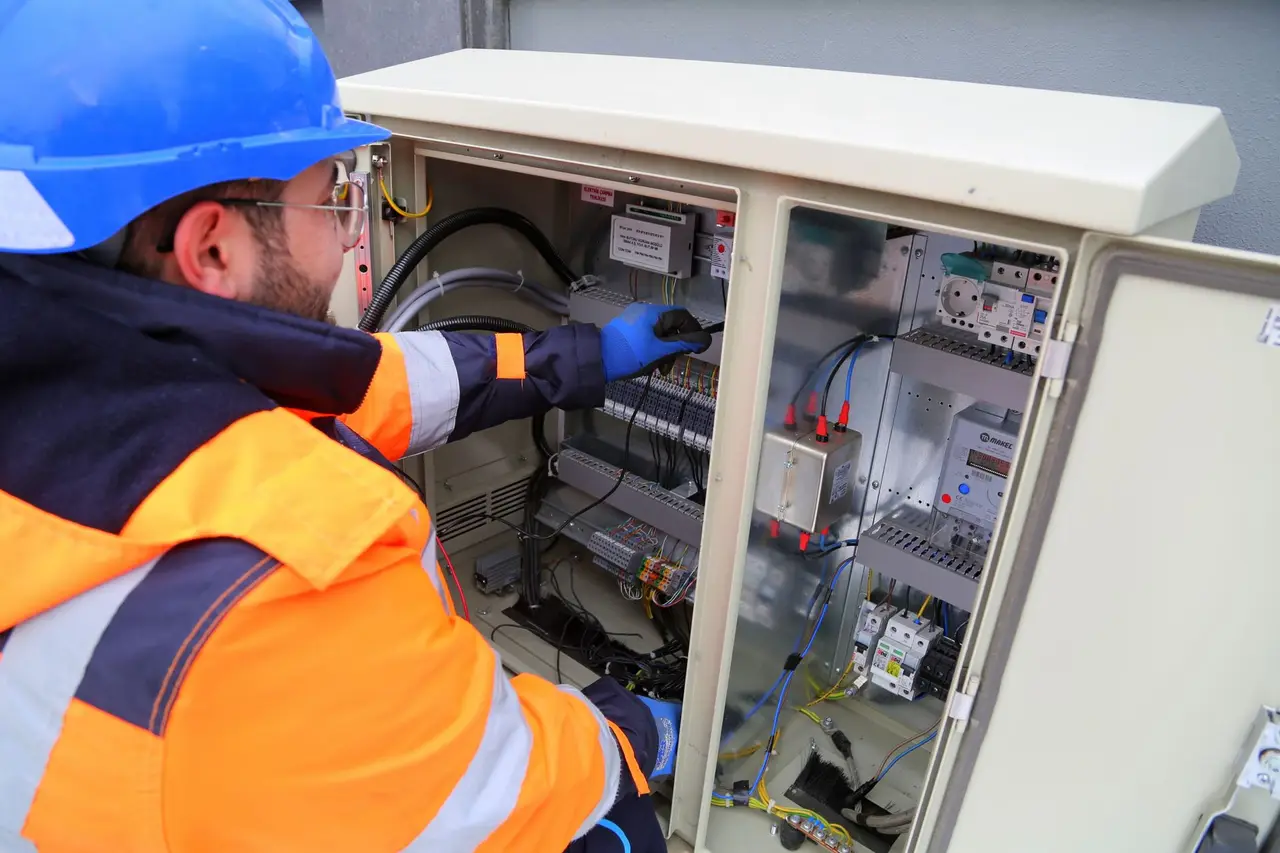
Handles gas line work and condensate drain service on high-efficiency condensing furnaces.
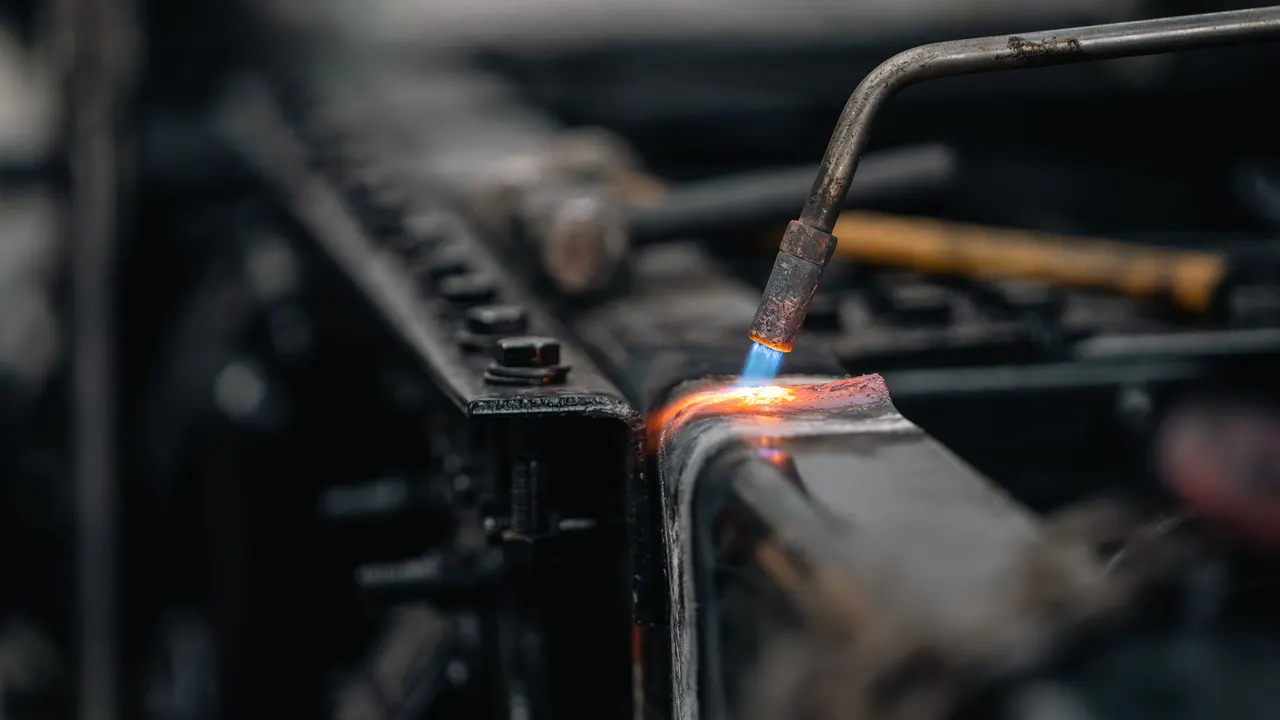
We follow a fixed order: fault codes, ignition components, gas pressure, airflow, then combustion. That sequence catches the root cause instead of the symptom, and it is why our callback rate on residential furnace repair skokie jobs stays low.
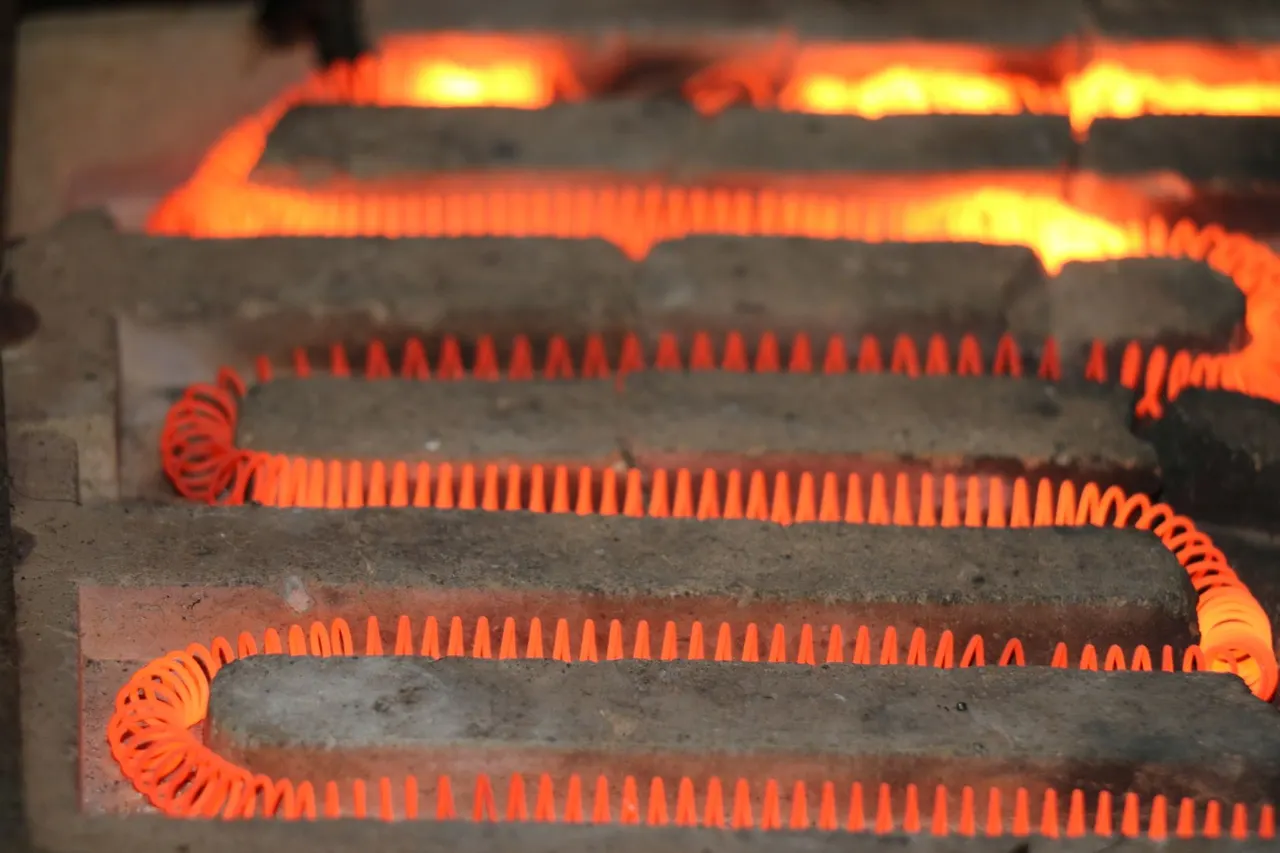
After every repair we measure the supply and return air temperatures and compare the rise to the data plate spec. A furnace running outside that range is over-firing or under-aired, and we adjust before we leave.
Call us first thing. We triage over the phone, load the truck with the parts your furnace brand most likely needs, and roll a tech to your skokie address. Most no-heat calls get diagnosed and repaired the same morning. Heat back on before lunch in most cases, with a flat-rate quote you approved before we started turning wrenches.
That pattern usually points to a clogged air filter, a weak blower capacitor, or a dirty flame sensor causing short cycles. We run a full diagnostic, check static pressure, and fix the airflow or ignition issue behind the short cycling. Longer, more efficient heating cycles and a bill that stops climbing. We also note the correct filter size so you can keep it clean.
Shut the gas valve, open a window, and call us. We treat gas smell and CO alarms as emergencies, arrive with a combustion analyzer and CO detector, and inspect the heat exchanger, flue, and gas fittings before anything gets restarted. A clear answer on whether the furnace is safe to run, plus a documented repair plan if it is not.
Get a second opinion from us before you spend $6,000. We inspect the heat exchanger with a camera, test the major components, and tell you honestly whether a repair will get you another three to five seasons or whether replacement is the smarter call. A straight answer, a repair quote if one makes sense, and no pressure to replace a furnace that still has life left.
Skokie furnaces work harder than most. Lake-effect cold pushes heating seasons from October into April, and homes built in the 1950s and 1960s around Niles Center and Devonshire still run original ductwork sized for older, less efficient equipment. That mismatch shows up as short cycling, high static pressure, and blower motors that fail early. We see a spike in home furnace repair skokie IL calls every January when temperatures drop below 10 degrees and aging igniters and flame sensors finally give out. Cook County code requires proper venting and gas line work to pass inspection, and we pull local building permits when a repair crosses into that territory. If you need residential furnace repair skokie IL 24/7 on a holiday weekend, call and we will tell you honestly what we can do tonight.
A homeowner in Downtown Skokie called at 7 a.m. with a furnace blowing cold air and the house at 58 degrees. The thermostat was calling for heat, but the burner never lit and the blower ran continuously.
We found a flame sensor coated in carbon and a marginal igniter. Both were replaced in under two hours, and the furnace lit on the first call for heat. Temperature rise measured 42 degrees, inside the manufacturer's spec.
Change the 1-inch filter every 60 days during heating season and schedule a fall tune-up to clean the flame sensor before the January cold snap.
A Devonshire homeowner reported a loud bang every time the furnace started. Two other companies had quoted a full system replacement at over $6,000 without opening the burner compartment.
We found delayed ignition from dirty burner orifices and a gas valve opening slowly. We cleaned the burners, set manifold pressure with a manifold gauge set, and the banging stopped the same day. Total repair came in under $400.
Annual burner cleaning and a combustion check each fall keeps the ignition timing correct and prevents the delayed light from returning.
A family in Old Orchard called after their CO detector went off at 11 p.m. The furnace was running, but CO readings at the supply registers were elevated and climbing.
We shut the furnace down, ran a combustion analyzer at the flue, and found a cracked heat exchanger with an inspection camera. We documented the crack, walked the family through the safety steps, and returned the next morning with a repair plan.
Test CO detectors monthly and replace the batteries twice a year. Schedule a combustion and heat exchanger inspection every fall on furnaces over 12 years old.
Most no-heat calls trace back to one of a handful of failures. Here is what we see most often and how we handle each one.
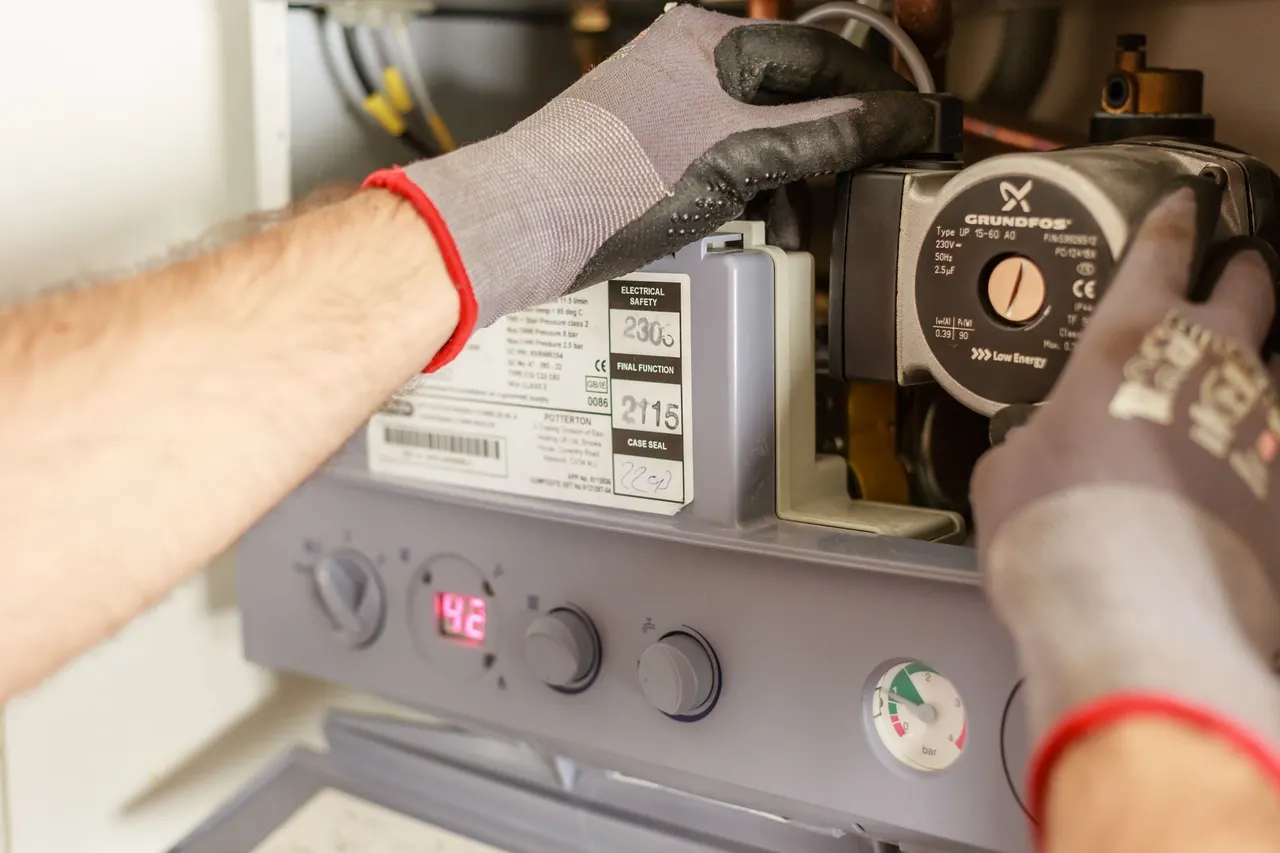
We test the igniter, flame sensor, and gas valve in sequence with a multimeter to find the actual failure point. Most cold-air calls trace to a dirty flame sensor or a failed hot-surface igniter, and both are same-visit repairs with parts we carry on the truck. The blower runs but the burner never lights, so you are circulating cold air through the house and burning electricity for nothing. Left alone, the repeated failed ignition cycles can crack the igniter and cost more to fix.
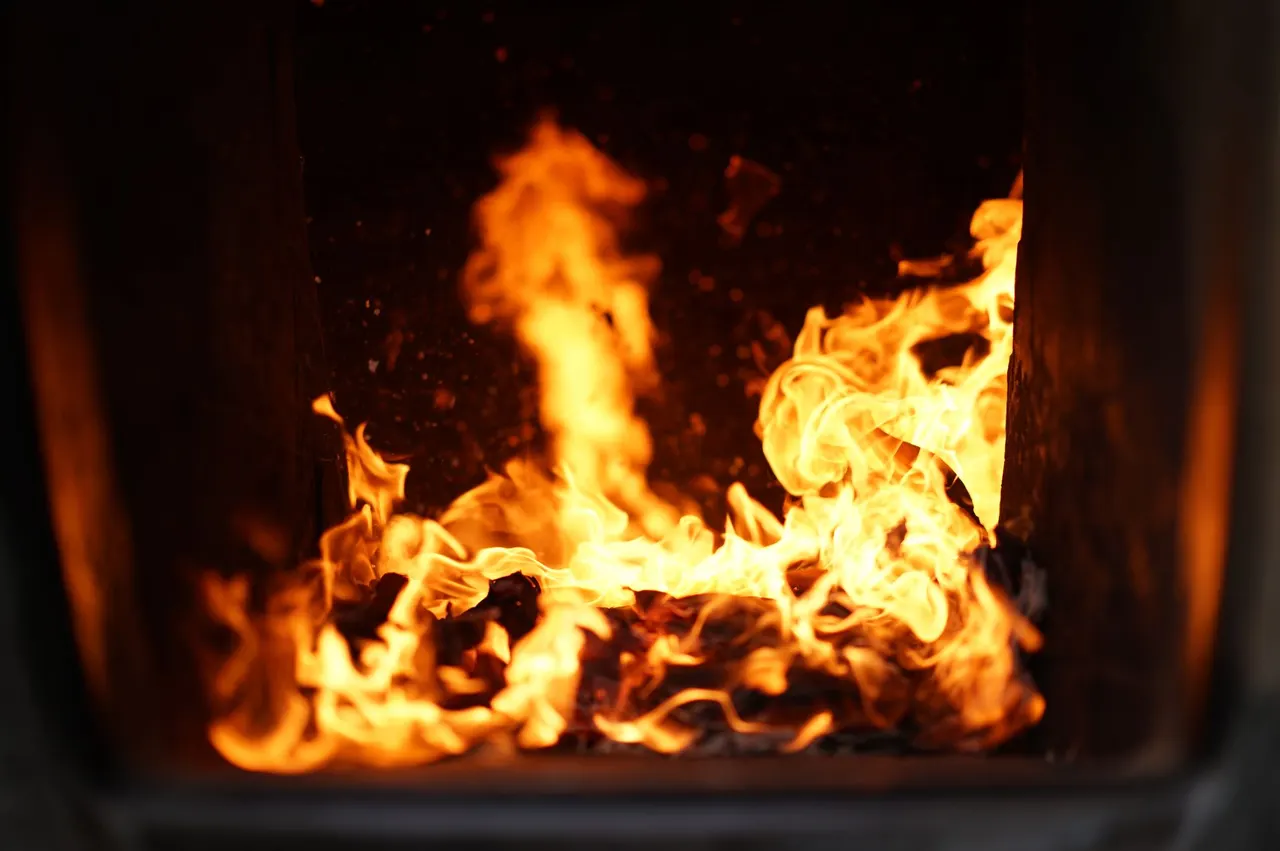
We test the thermocouple with a thermocouple tester, check the pilot orifice for debris, and replace the thermocouple if the millivolt reading is out of spec. The job usually takes under 90 minutes and restores reliable ignition. A pilot that drops out means no heat and a slow gas smell risk if the thermocouple is failing. Older skokie furnaces with standing pilots often run on a thermocouple that has finally worn out after 15-plus years.
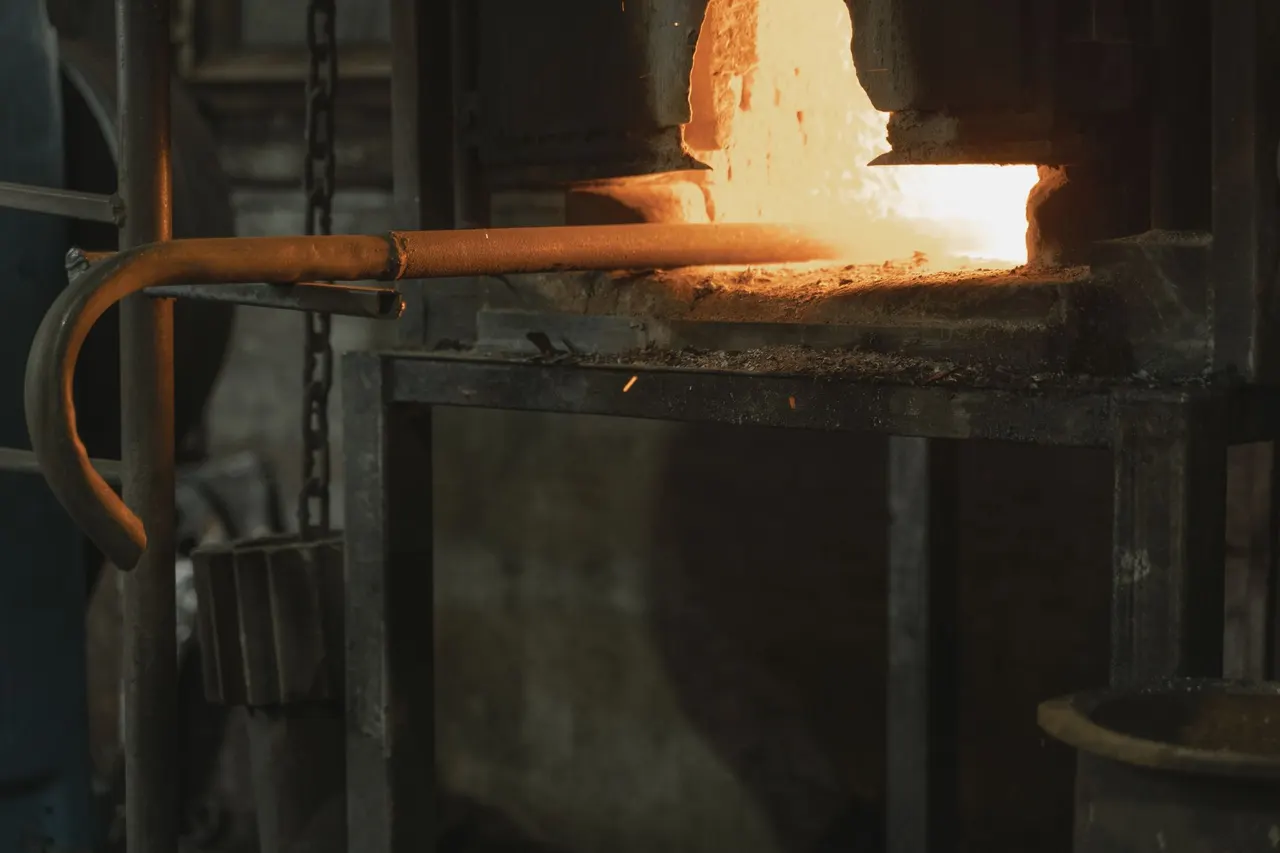
We inspect the burners, clean the orifices, and check the gas valve for slow opening. In many cases the fix is a burner cleaning and a manifold pressure adjustment with a manifold gauge set, which stops the delayed light and the bang. Banging on ignition usually means delayed ignition, where gas builds up in the burner compartment before it lights. That is a real safety concern, not just a noise complaint, and it stresses the heat exchanger every cycle.
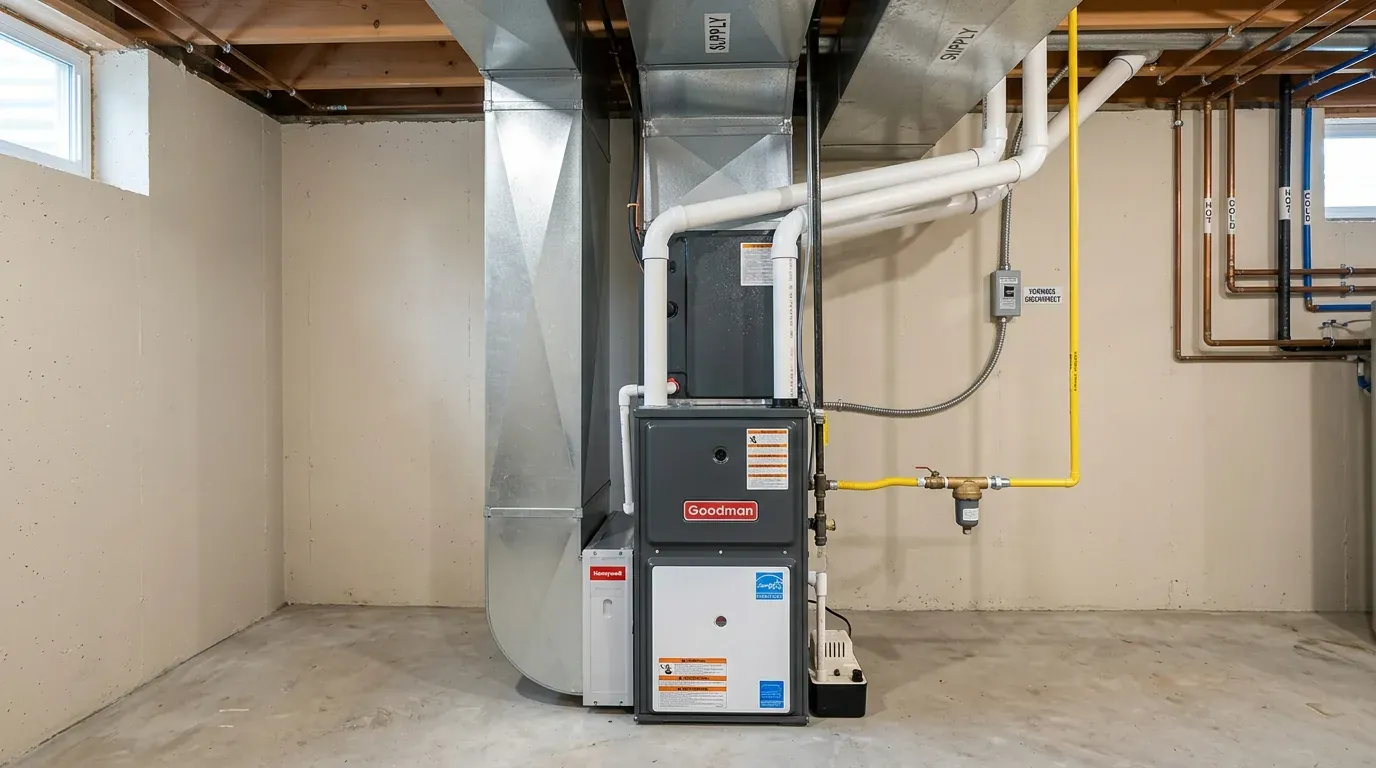
We shut the furnace down, run a combustion analyzer at the flue, and inspect the heat exchanger with an inspection camera. If we find a crack or a blocked flue, we document it, walk you through next steps, and do not restart the furnace until it is safe. A CO alarm is a stop-everything situation. A cracked heat exchanger or a blocked flue can push carbon monoxide into your supply air, and that is a health risk for everyone in the house, especially overnight.
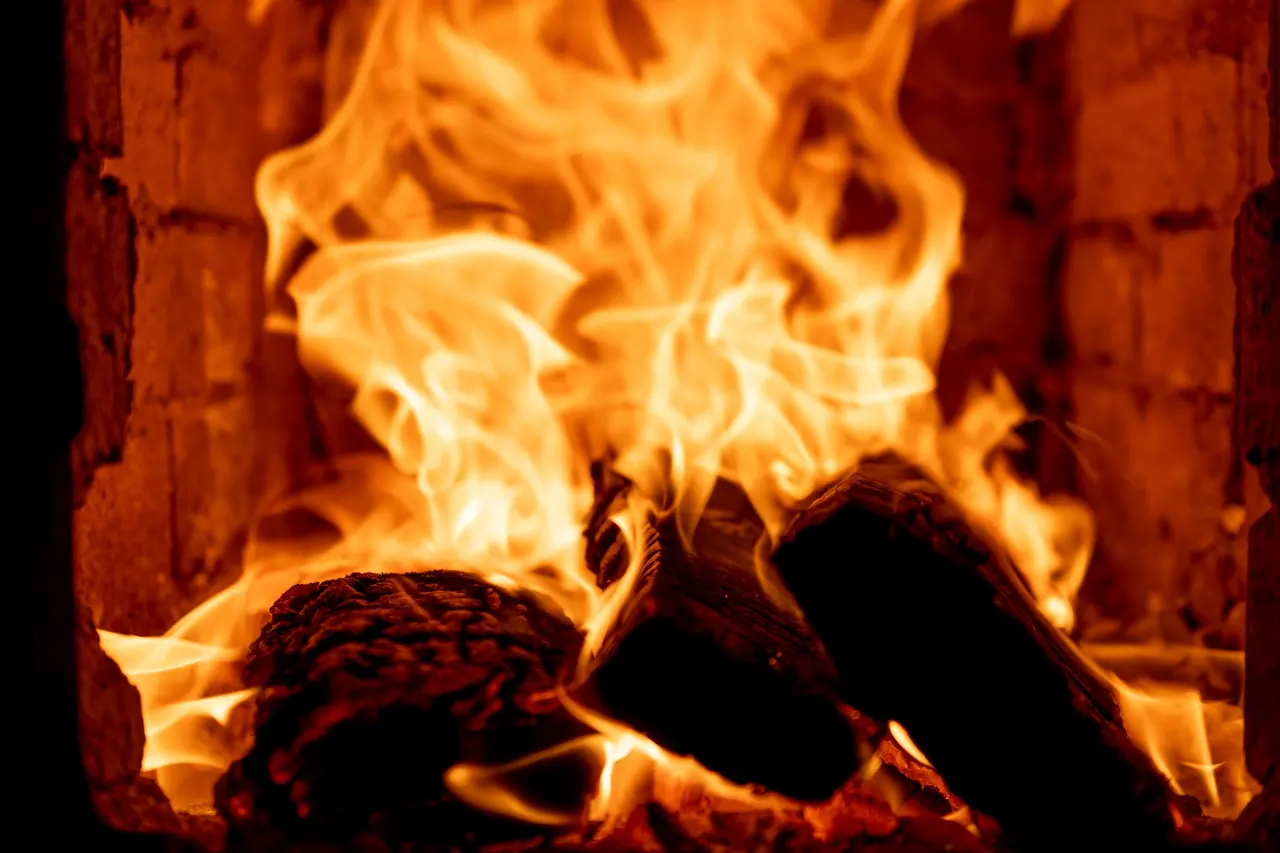
We test the capacitor first, since a weak capacitor is often the real culprit, then check the motor windings and amp draw. If the motor is done, we replace it with a matched unit and verify static pressure so the new blower is not fighting a duct restriction. When the blower quits, the furnace overheats and trips the high-limit switch, which shuts the burner down. You end up with a furnace that cycles on and off every few minutes and never actually heats the house.
Most no-heat calls in skokie get diagnosed and repaired the same day, often within two to four hours of your call. We stock igniters, thermocouples, flame sensors, and universal control boards on the truck so we are not waiting on a parts run while your house drops below 60 degrees.
You get a flat repair quote before we open a panel. Typical residential furnace repair cost skokie IL ranges from $180 for a flame sensor cleaning to $850 for a blower motor replacement, and we tell you which side of that range you are on before we start turning wrenches.
We run a CO detector and combustion analyzer on every furnace we touch. Carbon monoxide leaks and cracked heat exchangers do not announce themselves, and a 10-minute test at the flue can catch a problem that would have sent your family outside at 2 a.m. in January.
We torque gas valve fittings to spec, replace failed capacitors with matched microfarad ratings, and log static pressure so your blower is not overworking a clogged air filter. That is why our callbacks on residential furnace repair skokie Illinois jobs stay low season after season.
Clear records you can keep and share.
Failed part identified and repair quoted in writing
Flue and CO readings logged after the repair
Correct filter size and replacement interval recorded
Not every failed furnace needs a new system. Age, part availability, and heat exchanger condition decide whether a repair is worth doing.
Most furnaces under 15 years old are worth repairing. Parts are available and the heat exchanger is usually still sound.
Repairs still make sense if the heat exchanger is intact. We inspect it with a camera before quoting a major part.
On furnaces over 20 years old, a major failure often tips toward replacement. We run the numbers with you either way.
Outside these areas? Call and ask, we may still reach you. 847 238 8439
Most residential furnace repair in skokie IL runs $180 to $850 in 2026, depending on the failed part. A flame sensor cleaning or thermocouple swap sits at the low end near $180 to $260. A blower motor or inducer motor replacement lands between $550 and $850 installed. Heat exchanger work prices higher because it involves a full teardown and combustion re-test.
A typical home furnace repair in skokie Illinois takes two to four hours from arrival to final test. Diagnostics eat the first 30 to 45 minutes. Simple part swaps like an igniter or flame sensor finish in under two hours. Blower motor and control board jobs push toward four hours because we cycle the furnace three times and verify temperature rise before we leave.
The three most common causes we find in skokie are a dirty flame sensor, a failed igniter, and a clogged air filter choking airflow. A flame sensor coated in carbon shuts the burner down seconds after ignition. A cracked igniter will not light the gas at all. And a filter you have not changed since fall can trip the high-limit switch and leave you with a furnace blowing cold air.
You can safely change the air filter, reset the breaker, and check the thermostat batteries yourself. Beyond that, no. Gas valve work, heat exchanger repair, and combustion tuning require an Illinois HVAC license, a combustion analyzer, and a CO detector. A DIY gas repair risks a carbon monoxide leak, and most manufacturers void the warranty once a non-certified person opens the burner compartment.
No heat, cold air, or a CO alarm? Call Skokie FurnaceRepair at 847 238 8439. We answer live, quote flat-rate pricing before we start, and stock the parts to finish most repairs the same visit.
Reach us at 847 238 8439 for furnace repair, maintenance or a safety inspection anywhere in Skokie. We answer calls during business hours and run emergency no-heat service around the clock. Tell us what the furnace is doing and your neighborhood, and we will set a window that works.