Written repair record
Part replaced, date, and test results
When your heat quits in the middle of a Skokie winter, you need furnace parts replacement skokie IL homeowners can count on. We diagnose the failed component, source the right part for your Carrier, Trane, Lennox, or Goodman unit, and get your heat back the same day. From cracked igniters to dead blower motors, we handle furnace component replacement in skokie without the runaround.
Every furnace parts replacement skokie IL job includes a full diagnostic, the replacement part, installation, and post-repair testing. We do not charge extra for the diagnosis if you approve the repair. Here is what you get.
We replace failed furnace components in houses, two-flats, and condos across Skokie. If your heat is out, we diagnose the problem and swap the part the same day whenever we have it on the truck.
We handle furnace component replacement for small commercial properties, rental buildings, and multi-unit residential buildings in Skokie. We schedule around your tenants and document every repair.
Furnace parts replacement skokie IL is the repair category that covers swapping out a failed component inside your furnace rather than replacing the whole unit. That means a new igniter, thermocouple, flame sensor, blower motor, inducer motor, gas valve, control board, or capacitor. We test each part with a multimeter and combustion analyzer before we touch anything, so you are not paying for a part you did not need. Most single-component jobs take two to four hours from arrival to a verified, running furnace.
Skokie homes take a beating every winter. The village has a lot of mid-century ranches and two-flats with original ductwork, and those systems run hard from November through March. A clogged air filter or a dirty flame sensor can push a furnace into lockout fast, and that is when most people start searching for furnace component replacement near me skokie. We see it constantly in the Dempster Street Corridor and around Niles Center, especially after the first hard cold snap.
We test the component, replace what failed, and verify the furnace is safe before we leave.
We keep it simple: find the failed part, confirm it, replace it, test it, and show you the results. Here is what to expect when we show up.
You call 847 238 8439 or book online. We ask what the furnace is doing, what brand it is, and how old it is. That tells us which parts to load on the truck. Most Skokie calls get a same-day window, and emergency furnace parts replacement skokie Illinois requests get priority when the temperature drops below freezing.
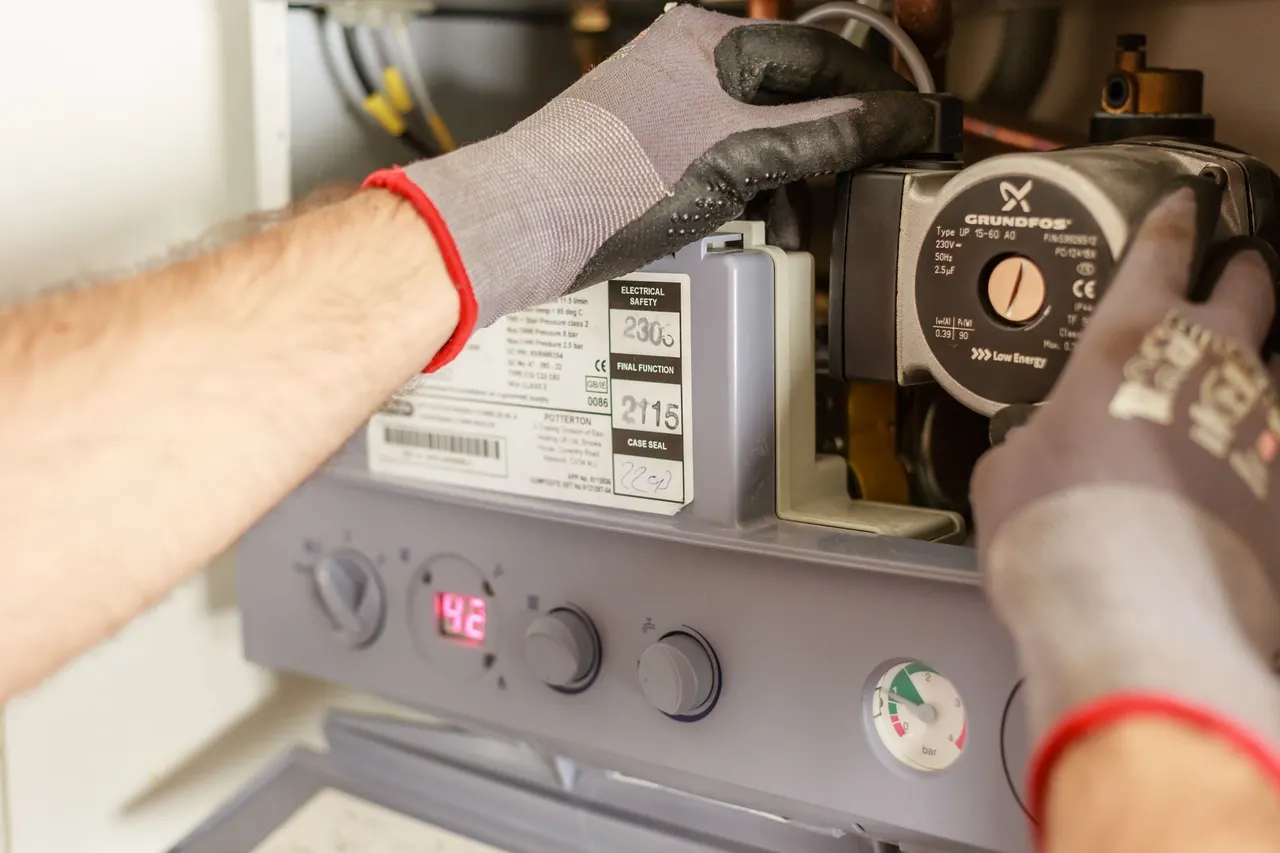
A NATE-certified tech runs a full diagnostic: manifold gauge set on the gas side, multimeter on the electrical side, combustion analyzer on the flue. We check the igniter, flame sensor, thermocouple, blower motor, inducer motor, and control board. This takes 30 to 45 minutes and tells us exactly what failed.
We show you the failed part, explain what it does, and give you a flat quote for the replacement. No surprises. If we find a second issue, like a cracked heat exchanger or a clogged air filter starving the system, we tell you before we proceed. You decide what gets fixed.
We install the new component, torque everything to spec, and run the furnace through a full heat cycle. A combustion analyzer verifies CO levels are safe, and an anemometer checks airflow at the registers. Most replacements take one to two hours once we have the right part in hand.
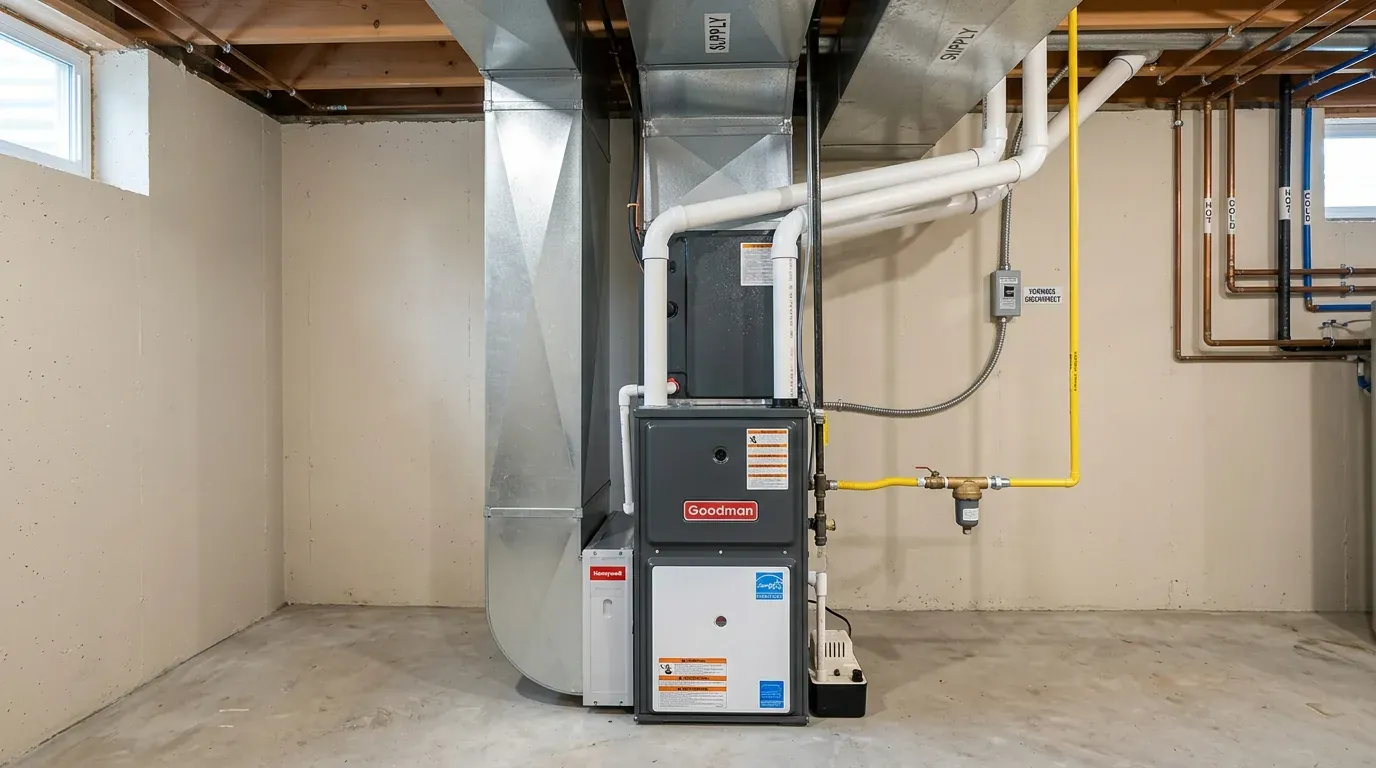
Before we leave, we walk you through what was replaced, show you the old part, and note the repair in your service record. We also check your thermostat settings and filter condition. If you want, we can schedule a tune-up to keep the rest of the system from failing next.
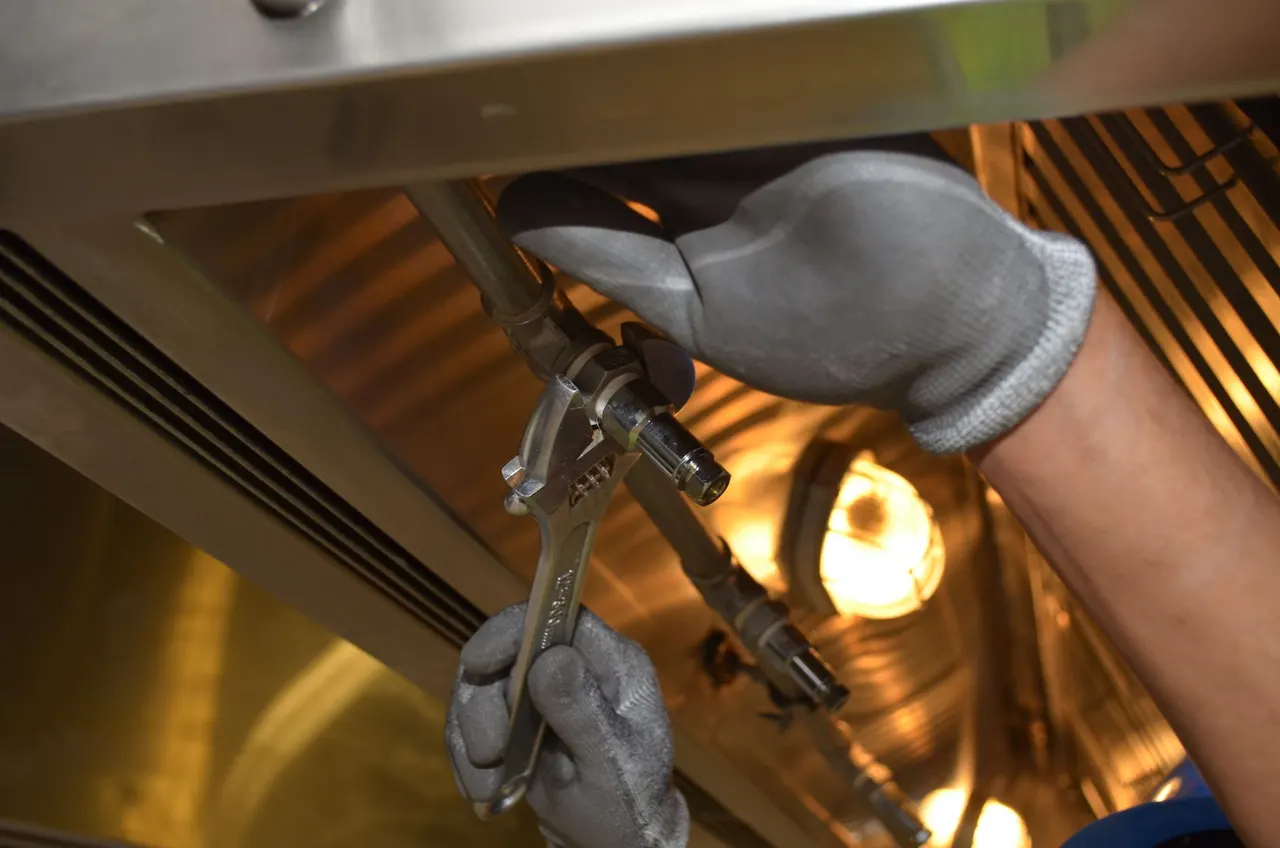
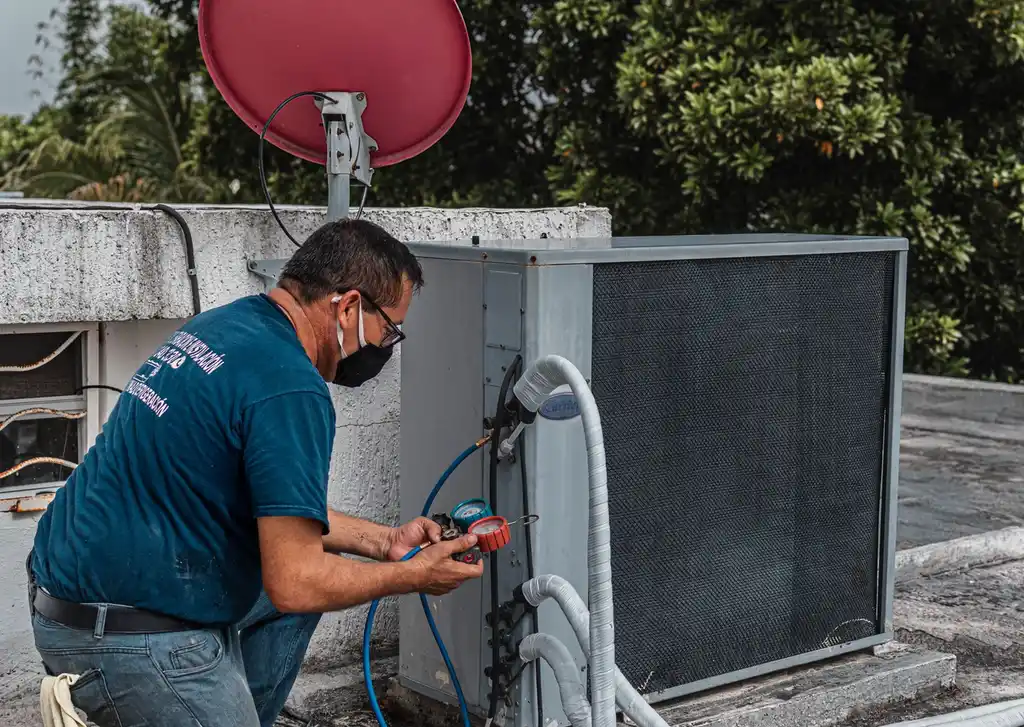
Checks gas pressure on the manifold side to confirm the gas valve and regulator are working correctly.
Tests electrical components like the igniter, flame sensor, capacitor, and control board for continuity and voltage.
Measures CO, CO2, and flue temperature to verify safe combustion after any gas-side repair.
Confirms whether a thermocouple is generating enough millivolts to hold the pilot light.
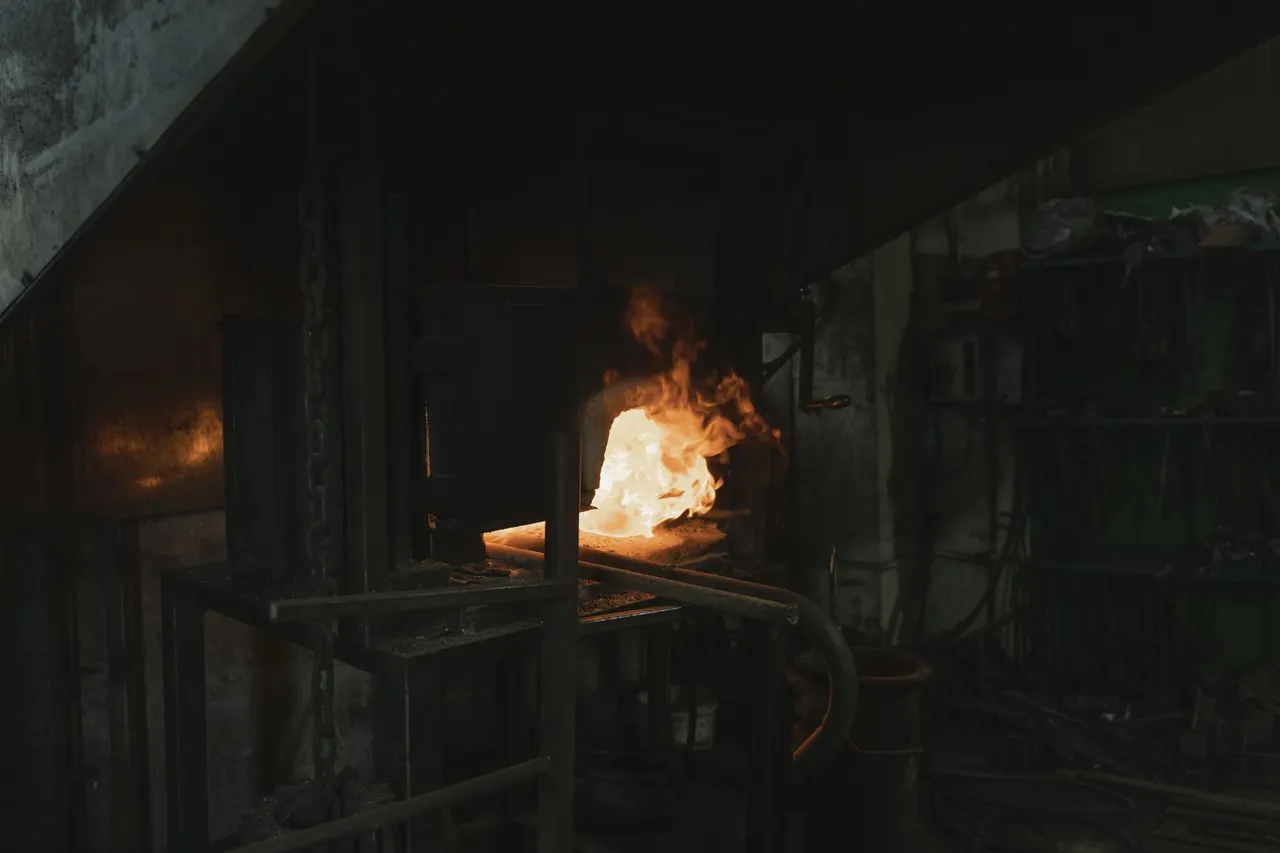
Lets us look inside the heat exchanger and flue for cracks, rust, or blockages without disassembling the whole unit.
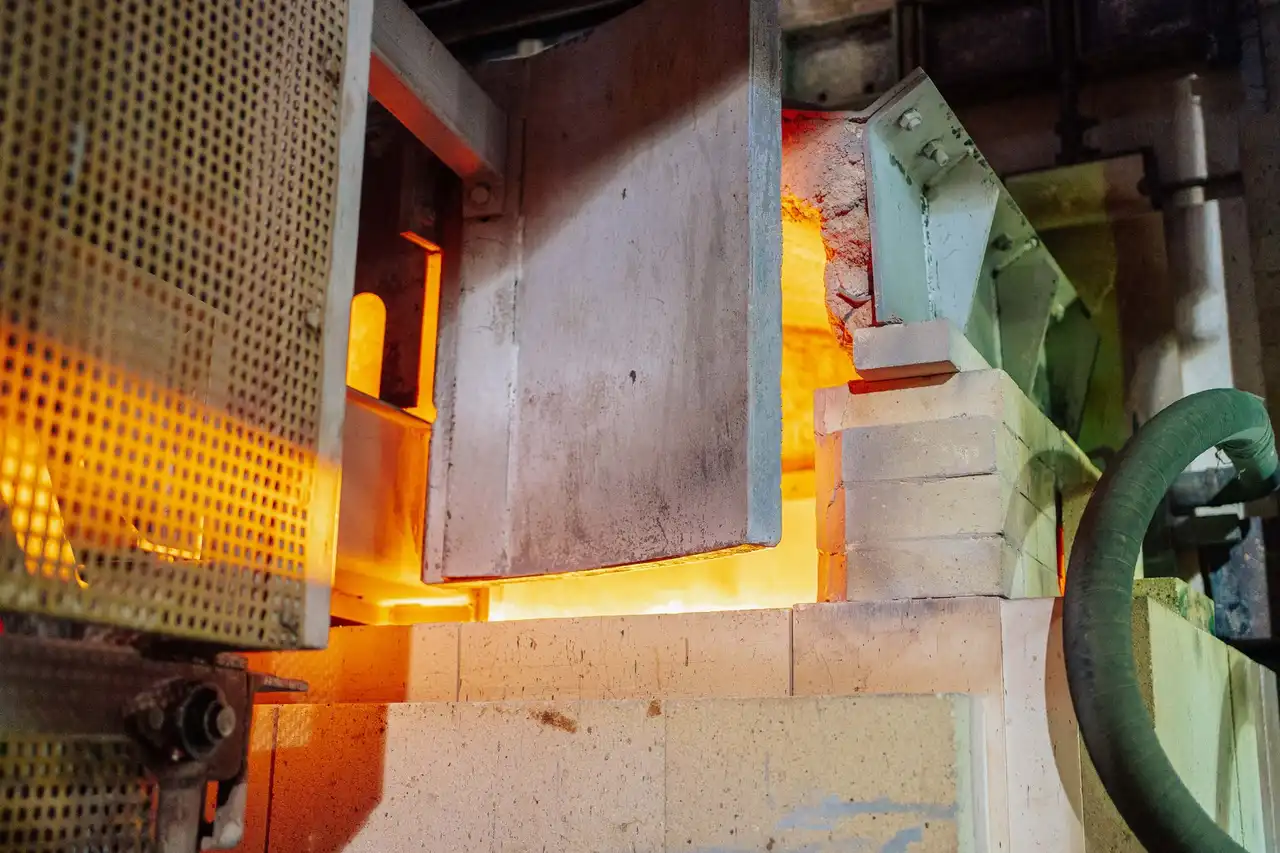
Measures airflow at the registers to confirm the blower motor and ductwork are moving enough air.
Verifies carbon monoxide levels in the living space and flue after any combustion-related repair.
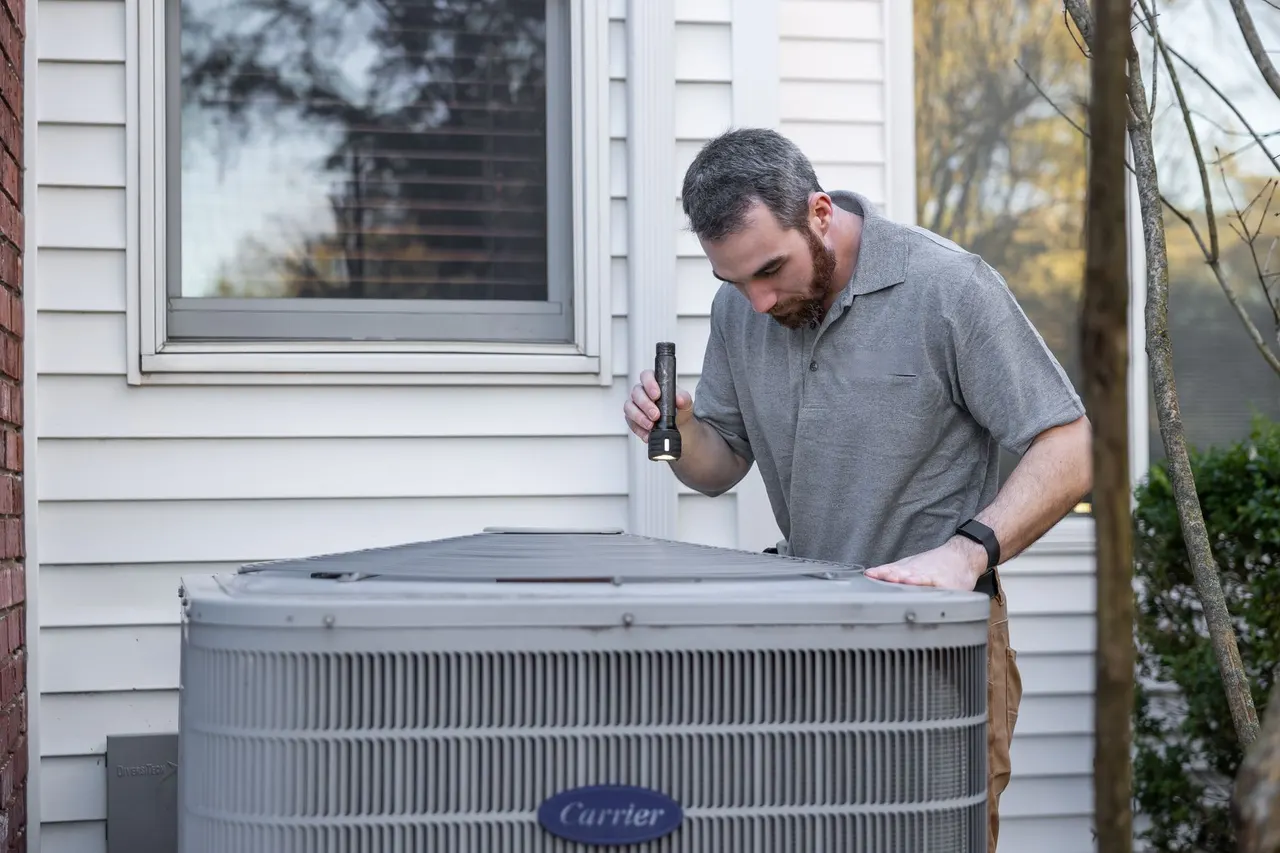
Our techs follow NATE certification standards for testing and repair. That means a structured diagnostic sequence, not guesswork. We test the component, confirm the failure, and replace only what is broken.
We treat no-heat calls as priority. A tech arrives with common parts on the truck, diagnoses the failure, and replaces the component the same day whenever possible. You get heat back within hours, not days. The house warms up, and you avoid a frozen-pipe situation.
We test the blower motor and capacitor, confirm the failure, and replace the motor with an OEM-grade part. We also check the control board and inducer while we are in there. The noise stops, airflow returns to normal, and the furnace runs quietly for years instead of failing mid-winter.
We diagnose the ignition sequence: igniter, flame sensor, gas valve, and control board. Most no-fire calls are a failed igniter or a dirty flame sensor, both of which we carry on the truck. The furnace fires reliably again, and we verify CO levels are safe before we leave.
We run a full combustion analysis with a combustion analyzer and CO detector. If the heat exchanger is cracked or the burners are misadjusted, we identify it and recommend the fix. You know exactly what is happening and what needs to be replaced. Safety comes first, and we document everything.
Skokie winters are hard on furnaces. The village has a lot of mid-century housing stock with original ductwork, and those systems run nonstop from November through March. We see the same failures over and over: dirty flame sensors, cracked igniters, and blower motors that seize after years of pushing air through undersized ducts. The climate here swings fast, and a furnace that was fine in October can lock out on the first 15-degree night in December. We keep common parts on the truck for Carrier, Trane, Lennox, Rheem, Goodman, Bryant, American Standard, and York units, so most furnace component replacement skokie IL jobs are done in one visit. If you are searching for furnace parts replacement in skokie IL near me, we cover every neighborhood from Devonshire to Skokie Valley. We also handle furnace component replacement skokie IL same day when the part is in stock, and emergency furnace parts replacement skokie Illinois calls get priority scheduling.
A homeowner in Devonshire called at 9 p.m. on a 12-degree night. The furnace was blowing cold air, and the house had dropped to 58 degrees. The igniter had failed, and the furnace was locking out on every cycle.
We arrived within 90 minutes, confirmed the failed igniter with a multimeter, and replaced it with an OEM-grade part from the truck. The furnace fired on the first cycle, and the house was back to 68 degrees within two hours.
We recommended a yearly tune-up to check the igniter and flame sensor before each heating season. A clean flame sensor and a fresh igniter prevent most mid-winter lockouts.
A landlord in Niles Center had a blower motor seize in one of his units. The tenant had no heat for two days because the previous company ordered the wrong part. The motor was making a grinding noise before it died.
We tested the motor and capacitor, confirmed the motor was dead, and installed a factory blower motor for the unit's Rheem furnace. The repair took three hours, and the tenant had heat the same day. Airflow measured normal at every register.
We replaced the air filter and showed the tenant how to check it monthly. A clogged filter is the number one cause of blower motor failure.
A homeowner near Oakton Street Corridor called because the CO detector had gone off twice. The furnace was a 1998 model with a cracked heat exchanger. The house had a faint gas smell near the furnace closet.
We inspected with an inspection camera and confirmed the crack. CO levels in the flue were elevated. We walked the homeowner through repair versus replacement, and they chose a new furnace. We installed it the next day and verified CO levels were zero.
We scheduled a yearly safety inspection with CO testing. A cracked heat exchanger is not something you can ignore, and early detection prevents a dangerous situation.
Most furnace failures come down to a handful of components. Here are the ones we see most in Skokie and how we fix them.
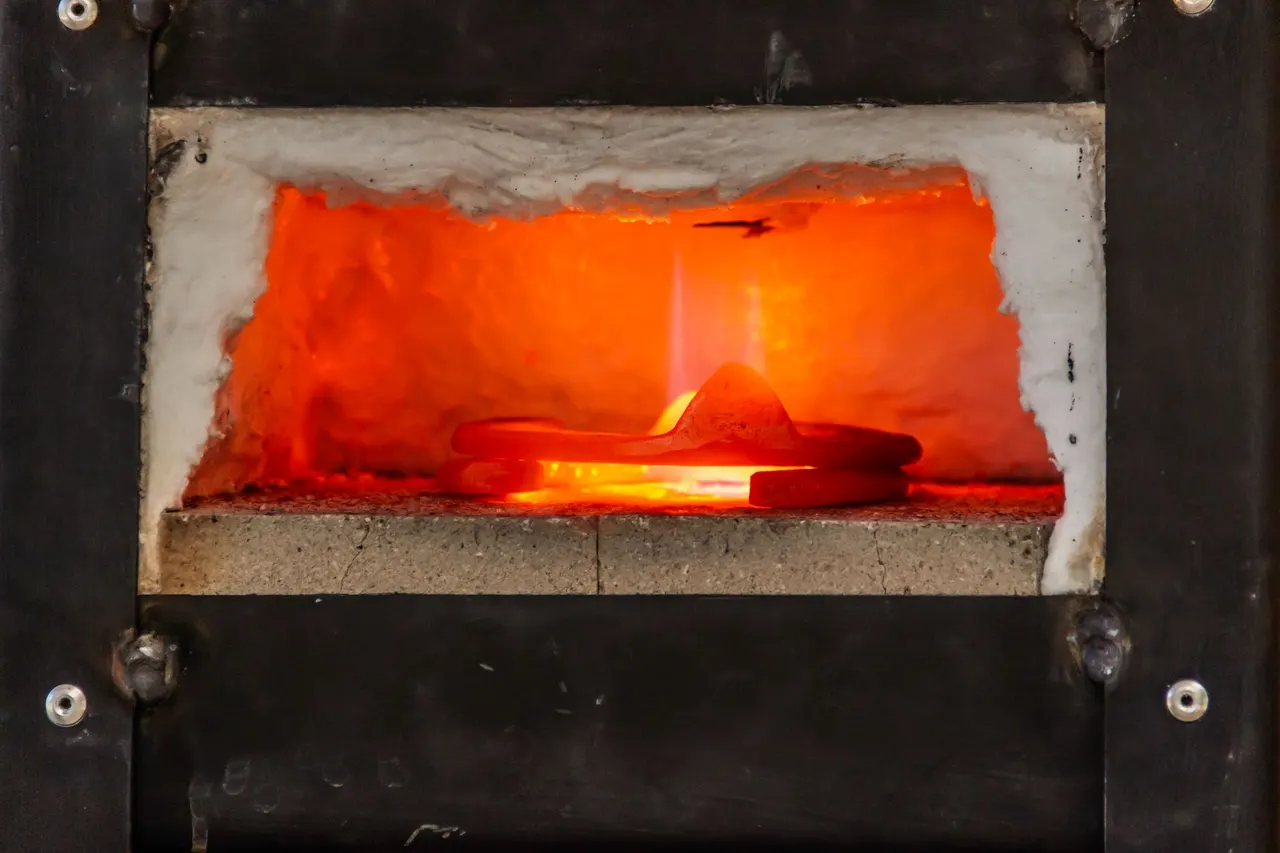
We test the igniter, flame sensor, and gas valve to find out why the burners are not lighting. Most cold-air calls are a dirty flame sensor or a failed igniter. We replace the part and verify the heat cycle. The house gets cold fast, and the furnace runs constantly without producing heat. That drives up your gas bill and stresses the blower motor.
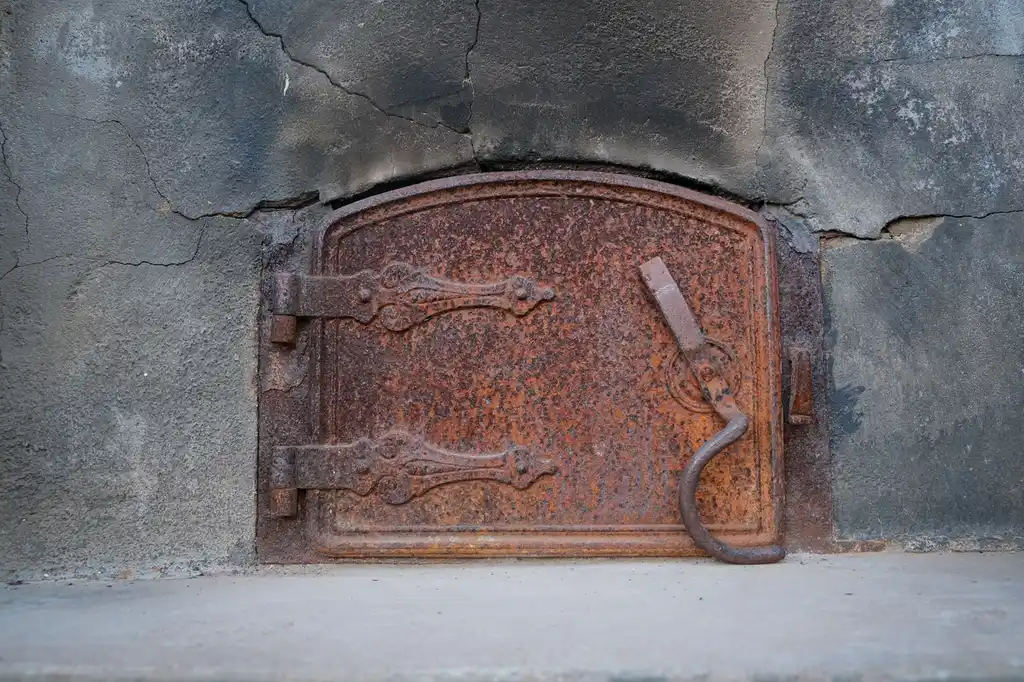
We test the thermocouple with a thermocouple tester and check gas pressure with a manifold gauge set. If the thermocouple is weak or the gas valve is sticking, we replace it and confirm the pilot holds. The furnace shuts down repeatedly, and you wake up to a cold house. A failing thermocouple or gas valve is usually the cause.
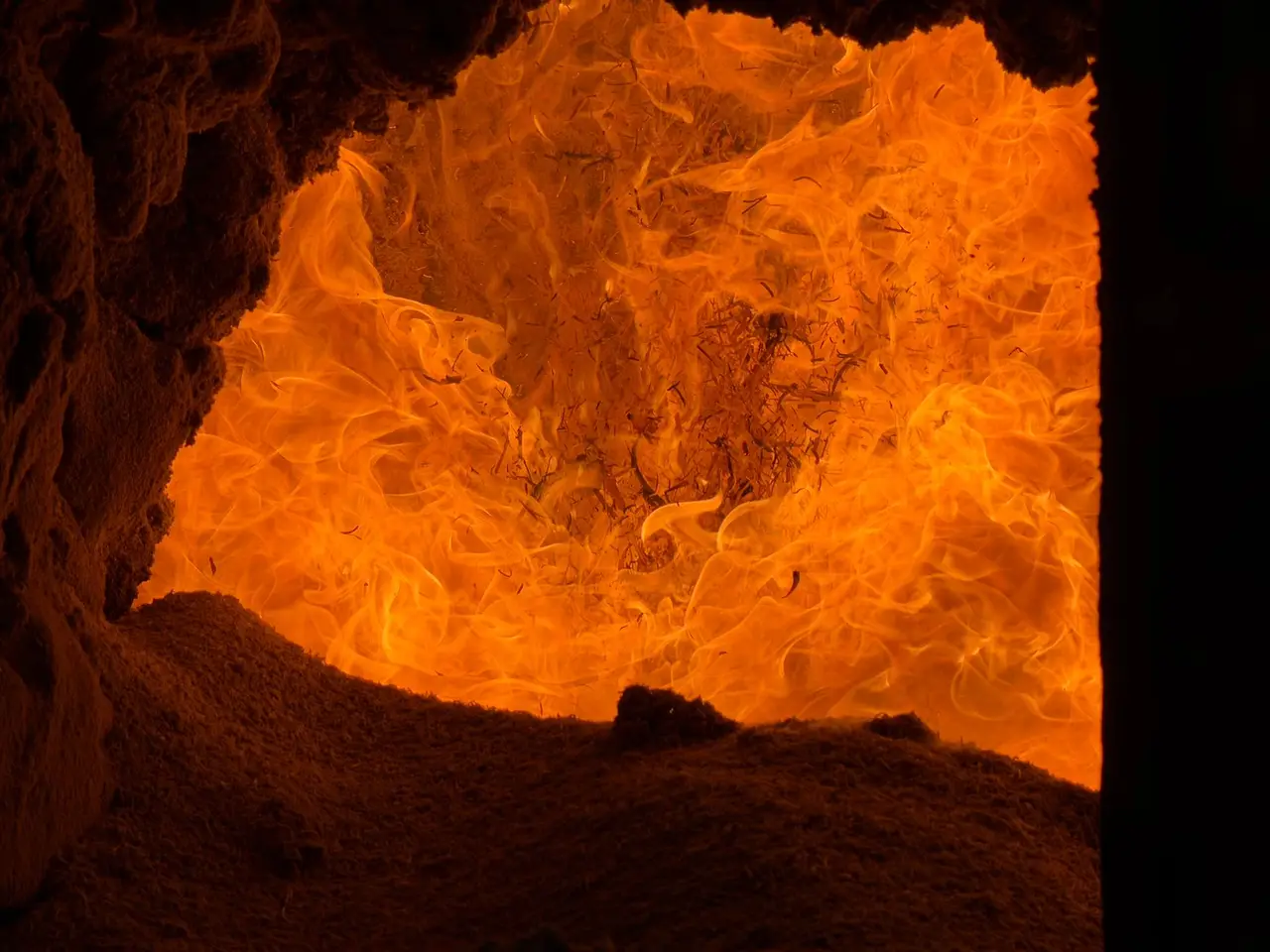
We diagnose the noise with an inspection camera and test the blower motor and capacitor. If the motor is failing, we replace it. If it is a loose component, we tighten and test. Either way, we find the cause. Banging or rattling usually means a failing blower motor, a loose inducer, or a worn bearing. Left alone, it can seize the motor entirely.
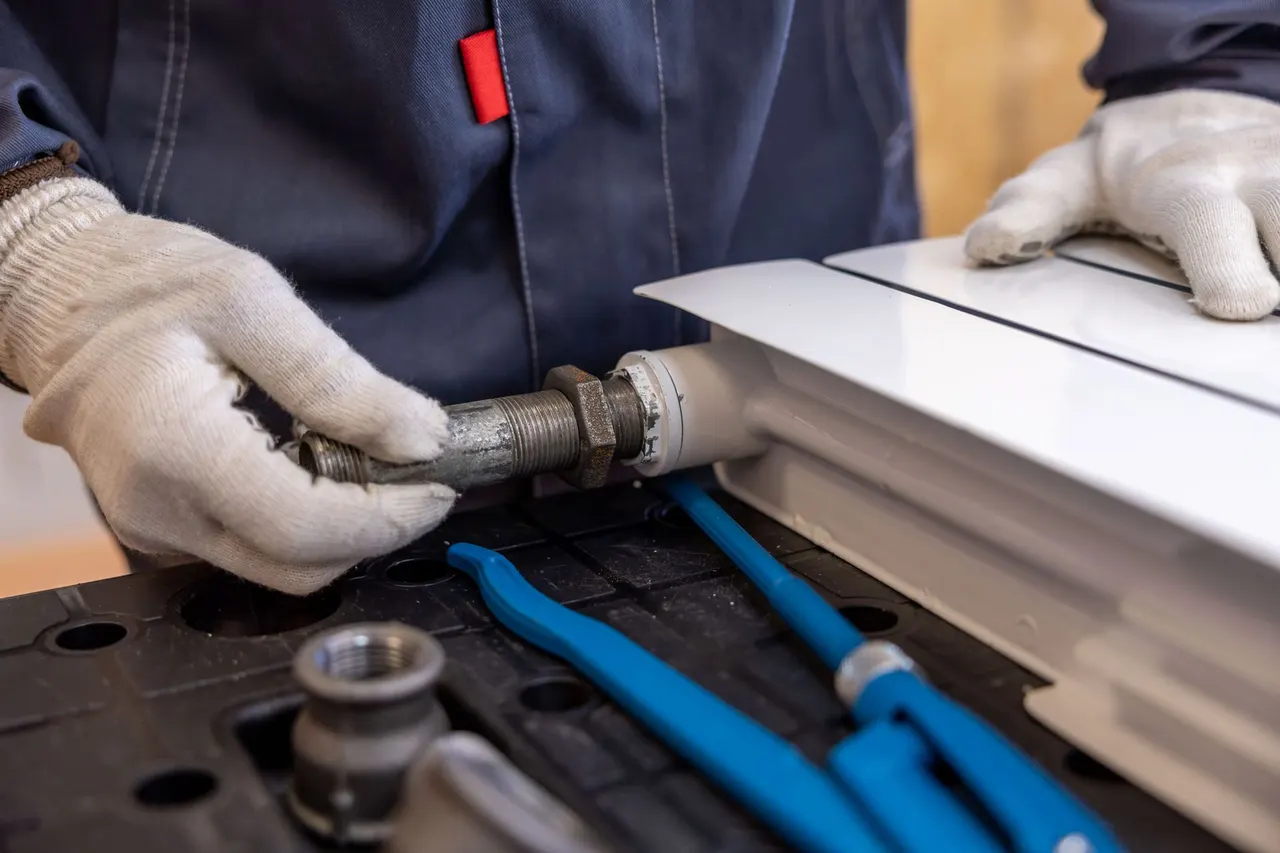
We inspect with an inspection camera and test CO levels with a combustion analyzer. If the crack is minor and the unit is otherwise sound, we discuss repair options. If it is severe, we walk you through replacement. A cracked heat exchanger can leak carbon monoxide into your home. It is a safety issue, not just a performance one.
We test the thermostat and control board separately. If the thermostat is the problem, we replace it and verify the furnace cycles correctly. If the control board is bad, we replace that instead. The furnace short-cycles, runs constantly, or does not respond at all. A bad thermostat can mimic a control board failure.
We stock the most common failure parts on the truck, so most furnace parts replacement skokie IL calls are finished in one visit. Igniters, flame sensors, and thermocouples are the usual suspects, and we carry them for Carrier, Bryant, and American Standard units. You get heat back the same day instead of waiting on a parts order.
We test before we replace. A multimeter and thermocouple tester tell us whether the part is actually dead or whether the problem is upstream at the control board or thermostat. That saves you from paying for a blower motor when the real issue was a $40 capacitor. Diagnosis comes before any parts quote.
Every gas valve, heat exchanger, and inducer motor we install meets Illinois HVAC license requirements and local building permits. We check gas pressure with a manifold gauge set and verify CO levels with a CO detector before we sign off. That matters in Cook County, where inspectors look closely at combustion components.
We install OEM-grade components, not generic knockoffs. A Honeywell control board or a factory blower motor for your Rheem or York furnace will outlast the cheap aftermarket version every time. That is the difference between a repair that holds for years and one that fails again next season.
Clear records you can keep and share.
Part replaced, date, and test results
We show you what failed and why
CO and combustion readings after repair
A failed part does not always mean a failed furnace. Most components can be replaced individually, which costs far less than a new system. The key is knowing which part failed and whether anything else is about to go.
A multimeter and thermocouple tester confirm whether a part is actually dead. Replacing a good part wastes money and does not fix the problem.
OEM-grade parts match your furnace specs and last longer. Generic parts may fit but often fail sooner, especially on gas valves and control boards.
When one component fails, others may be close behind. We check the whole system during diagnosis so you are not calling back next month.
Outside these areas? Call and ask, we may still reach you. 847 238 8439
Most jobs run $180 to $850 in 2026, depending on the component. A flame sensor or thermocouple is on the low end. A blower motor, inducer motor, or control board is on the high end. Gas valves and heat exchangers cost more because the labor is more involved. We give you a flat quote before we start, so you know the number upfront.
You can find generic parts at big-box stores, but they often do not match OEM specs for your Carrier, Trane, or Lennox unit. We source OEM-grade components directly from manufacturer distributors. That means the part fits right, meets Illinois code, and carries a manufacturer warranty. If you want to buy your own part, we can install it, but we cannot warranty a part we did not supply.
Most single-component replacements take two to four hours from arrival to a running furnace. That includes diagnosis, the swap, and testing. If we have the part on the truck, it is often faster. If we need to order a specialty part, we schedule a return visit, usually within one to two business days. Emergency calls get priority scheduling.
You can swap a filter or a thermostat, but gas valves, heat exchangers, control boards, and igniters are not DIY jobs. Illinois HVAC license rules and local building permits apply to combustion components. A wrong install can cause a carbon monoxide leak or a fire. We have seen too many homeowner repairs go wrong. Call a licensed tech and get it done safely.
No heat is not something you wait on. We diagnose fast, quote flat, and replace the failed part the same day whenever possible. Call 847 238 8439 and we will get your furnace running again.
Reach us at 847 238 8439 for furnace repair, maintenance or a safety inspection anywhere in Skokie. We answer calls during business hours and run emergency no-heat service around the clock. Tell us what the furnace is doing and your neighborhood, and we will set a window that works.